


The rapid rise and evolution of AI (artificial intelligence) have resulted in industries critically re-evaluating power-intensive servers supporting this technological surge
Data centres are at the centre of this storm, as they’re critical to the infrastructure of the internet, consuming huge amounts of water and energy. Their biggest criticism is the fact that they’re burdensome to local resources and communities – besides being unsightly, of course. And as the demands for AI workloads increase, the strain on energy resources will escalate.
In fact, we are probably racing towards a ‘tipping point’ where current data centre architectures aren’t viable. Case in point: the ‘Data Center of the Future’ study, conducted by Opinium and Lenovo towards the end of 2025, revealed that while most IT decision makers prioritised partnering with energy-efficient tech providers, only 46% believed that their existing data centre designs would meet sustainability criteria.
This potential crisis in the digital infrastructure sphere has prompted major tech infrastructure developers and companies to look for eco-friendly and innovative solutions. Interestingly, novel data centre architectures aren’t a new find, with the world’s craziest data centres ranging from fjords in the Gulf of Finland and even underwater data centres to ones located underneath mountains.
This article dives into what lies next for data centres when it comes to seemingly crazy and weird locations – and whether they’ll work and sustain.
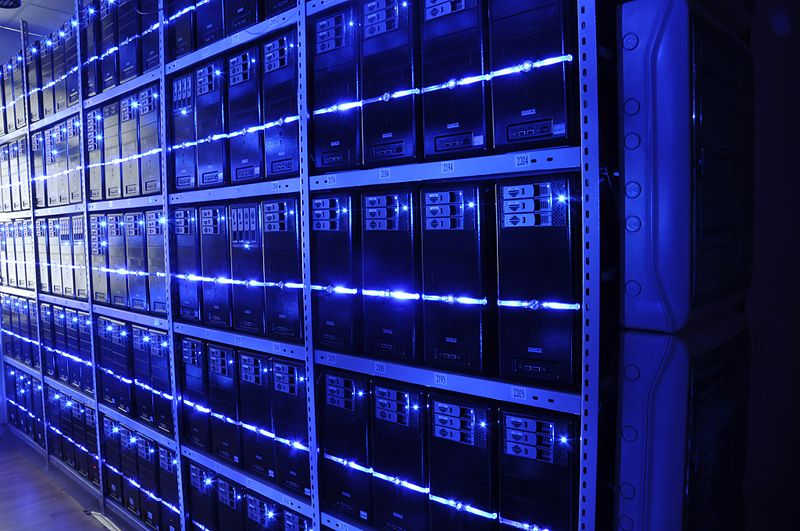
Data Centres On Earth – And Beyond
One of the biggest issues that data centres are facing today is optimal cooling solutions. The winds of change are already blowing in China with its entirely wind energy-powered data centre. In late 2025, it completed the first construction phase of what it claims to be the world’s very first UDC (underwater data centre).
Powered entirely by wind energy and located in the Lin-gang Special Area of Shanghai, this marks a significant milestone in China’s quest for sustainable solutions, given the ever-increasing energy demands of its computing infrastructure. The Lin-gang UDC solves the heat problem as it submerges its servers beneath the ocean’s surface, with the seawater acting as a natural cooling system and reducing cooling energy demands to less than 1%.
If that wasn’t enough, the project is otherwise environmentally sustainable too, with over 95% of its electricity coming from offshore wind turbines.
Who would have thought that the Italian Alps would be more than just a sightseeing destination? Behold Intacture, a.k.a. the Trentino DataMine, Europe’s very first digital data centre, which is being built deep within the folds of the active underground San Romedio mine outside the city of Trento and is the first of its kind.
While mines are usually thought of as being humid places and thus unsuitable for data centres, the Trentino DataMine takes advantage of the stable and dry dolomite rock. When removed, the inner dry 12 degrees Celsius environment was not only perfect to withstand a data centre but also had very low environmental and energy impact. Moreover, the temperatures also reduced the data centre’s cooling needs dramatically, thanks to the power of passive cooling, thus lowering the energy footprint dramatically. It proves to be a huge step forward for sustainable data centre operations.
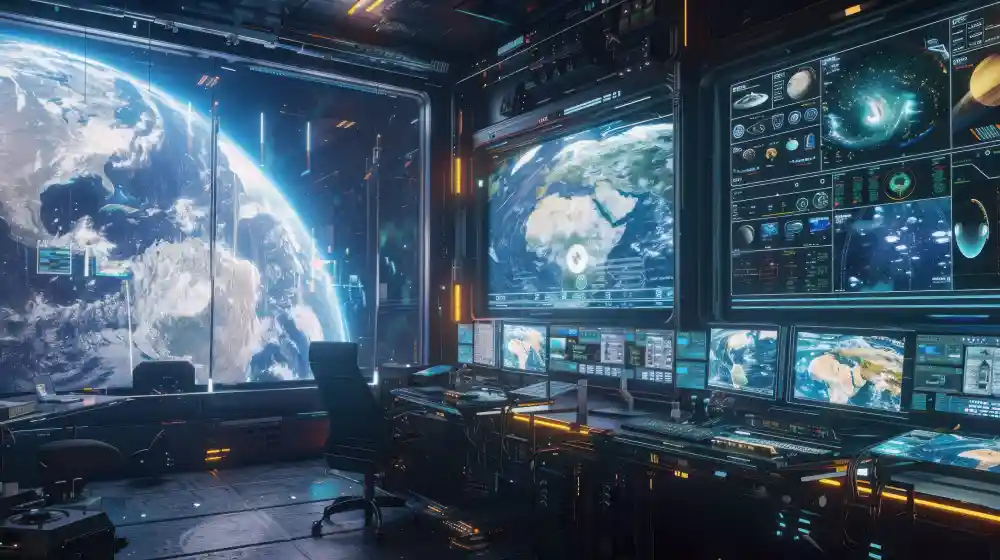
Even sky may not be the limit for data centres in the future, as possibilities of orbital data centres make the rounds. In November 2025, Google announced its revolutionary ‘moonshot’ ideas to put AI data centres in space. This idea of orbital data centres has been increasingly gaining traction among data centre researchers, and the competition in the space is heating up – quite literally.
Initiatives include not only Google’s Suncatcher, but also Nvidia’s Starcloud and Alibaba’s Three-Body Computing Constellation. And who can ignore Elon Musk and his revolutionary (read: eccentric) plans to put solar-powered satellite data centres in space? In fact, even smaller firms are venturing into this realm. The concepts might seem futuristic currently, but their viability is being explored, studied, and reviewed seriously.
The Innovation Has Just Begun
We’re officially entering believable and conceivable sci-fi territory now. For instance, Lenovo has already pitched the possibilities of floating data centres and data centre bunkers. In fact, it’s already engaged AKT II engineers and Mamou-Mani architects to create designs which will harmonise better with the environment.
This vision isn’t limited to placing data centres underground in abandoned bunkers or tunnels, but rather goes beyond exotic locations. It also has plans in place to upgrade and equip them with cutting-edge, high-density designs and next-generation cooling hardware, allowing them to harness continuous solar energy, and thus addressing the ever-growing energy and power and energy demands.
That’s not all; newer concepts like ‘data villages’ propose stacking servers modularly in urban areas, allowing transferring excess heat to power local facilities like homes, schools, and even swimming pools, like the Equinix facility warming Parisian Olympic swimming pools. Did we mention they even have plans for data centre spas in mind? Yes.
Despite these progressive designs not seeing realisation until the 2050s, the need for extensive regulatory shifts for implementation is being recognised already. The complexity of these concepts, alongside scalability and legal issues, also pose significant hurdles to adoption rates. Even though data centres remain firmly on earth for now, the race for data centres is catching steam and foundations are being laid, making them an exciting proposition and a huge step in technological innovation.
In case you missed:
- Offshore Data Centres: The Next Frontier
- The Rise of Closed Loop Data Centres: When Resource Scarcity Drives Design
- RAMpocalypse Now: Is Memory Shortage Crippling Global Tech?
- Is GPU-As-A-Service The New Cloud Gold Rush?
- All About Edge AI: A Comprehensive Look
- The Intelligence Swarm: How Bees Are Helping AI Become Smarter
- Desktop-as-a-Service in 2026: A Comprehensive Guide
- The Rise Of Agentic Cloud – Reshaping Cloud Infrastructure In 2026
- All About AI Sovereignty: Why It Matters To India
- The French Fridge Phishing Fiasco: And Other Connected Device Stories