



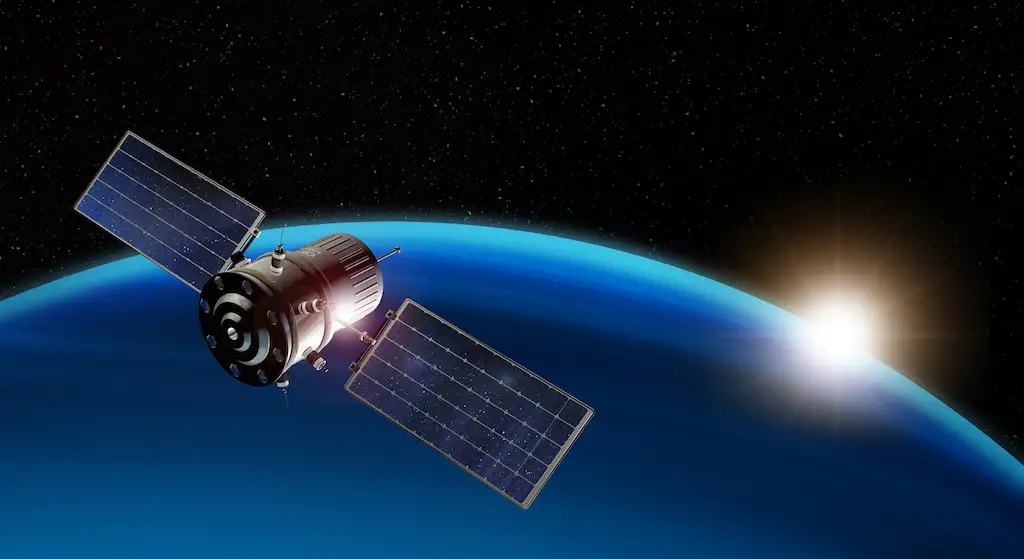

According to reports, Apple is expanding satellite capabilities on the iPhone to everyday use…
Apple’s satellite connectivity is nothing new. It has been used for SOS messaging since iPhone 14. But according to new reports in Bloomberg, the company is expanding its satellite capabilities to everyday use, like media sharing, navigation and even 5G connectivity.
If this plan comes to life, it will change how smartphones stay connected. Especially in areas where cellular data fails!
From Emergency to Everyday Use
Satellite connectivity was first introduced in 2022 with the launch of iPhone 14. It allowed users to send emergency SOS messages when they were outside cellular range or WiFi connectivity. The feature was intentionally limited in-scope: text only communication for emergency purposes.
But Apple seems determined to push the feature into everyday scope. The main target is satellite powered Apple Maps. This would help users get navigation updates and directions even when they are completely offline.
This would be useful for people travelling in remote areas or navigating through disaster-hit zones where ground network is down.
Apple is also working on allowing photo sharing via satellite. While this feature would be part of its messaging app, it would be a major shift from basic text to richer communication. It will however be optimised for low bandwidth.

Making Satellite Connectivity ‘Natural’
One of the biggest limitations of satellite connectivity right now is usage. Users have to hold the phone in a certain way in the clear view of the sky to establish a satellite connection. Apple is
currently working on improvements that lets you have satellite connectivity everywhere, even if the phone is inside a pocket or a car or used very casually.
This change is absolutely critical if Apple intends to achieve its everyday use target with satellite connectivity. This would require upgrades not just in software but also antenna design, power management and power modem technology.
5G from Space: Apple’s Long-Term Bet
The most ambitious part of Apple’s satellite project is support for 5G Non-Terrestrial Networks (NTN). This technology essentially lets smartphones to connect to satellites with 5G standards, effectively merging cellular networks with satellites in low Earth orbit.
If reports are to be believe, this capability could arrive with the next set of iPhones, the 18 series. If it is achieved, it would let iPhones switch network between satellite and cellular towers anywhere.
But there’s a long way to go before this can be achieved. Apple currently depends on Globalstar’s satellite network. A significant upgrade would be needed if it is to support higher bandwidth, always on services. Without that capability, features like real time maps or media sharing would be limited to specific regions only.
Letting Third Party Apps use Satellite
Apple is also believed to be developing a Satellite API that would allow third party apps to avail satellite connectivity. This means that navigation apps, hiking tools, emergency services as well as communication platforms would be able to function in areas with zero cellular coverage.
This is good news for developers as they won’t have to worry about offline situations anymore. For users, it means fewer ‘dead zones’ and more dependable access to critical information in previously low network regions.
The Last Word
While all of this sounds useful and exciting, there are still a lot of questions that need to be answered. Apple has not spoken about timelines, pricing or global availability. All this still remains in the theory stage and there’s a long way to go before it can be launched.
More advanced satellite services may require paid plans or carrier partnerships. Regulatory approvals could also delay the launch in some countries.
But Apple’s direction is quite clear. It doesn’t intend for satellite connectivity to be just a safety net, it wants it to be a part of iPhone’s connectivity stack. And this could redefine what ‘signal’ means in the future.
If Apple is able to pull this off, the iPhone won’t just work where there’s network – it will work wherever you are!
In case you missed:
- Samsung’s Galaxy S25 Phone Might Shape the iPhone 17 Air
- Is the Foldable iPhone Around the Corner?
- iPhone 17 Pro Review: Is the Price Justified?
- Apple Intelligence to increase Global Reach with Multilingual Support
- WWDC 2025: Apple unveils Liquid Glass Design & AI-Powered Future
- Cool Things You Didn’t Know Your iPhone Could Do
- WhatsApp Group Chat finally solves the ‘What did I miss?’ Problem!
- No More Budget Phones: India is Buying Premium Phones Now
- Grok’s ‘Spicy’ Feature lets you Generate Sexually Explicit Images
- 14 Things to do Immediately if you Lose your Phone