

Australia’s radical ban on teen social media use is intended to be protective, but is also problematic, and practically porous, writes Satyen K. Bordoloi
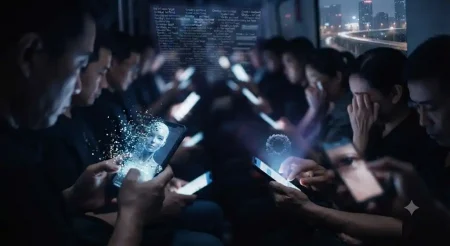
It is a popular meme on social media: Childhood then versus childhood now. The ‘then’ side is always filled with fun outdoor activities, each different from the others. Yet, no matter who makes it, the ‘now’ side is consistent: zombified teens and kids, head bows, eyes glued to their glowing mobile screens. As some of my friends in India tell me, social media is an addiction with teens, and most parents find themselves out at sea in trying to regulate their kids’ online activities. The solution, at least according to Australia, is simple: an outright ban on social media.
From December 10, 2025, the Online Safety Amendment (Social Media Minimum Age) Bill 2024 will make it illegal for children under 16 to hold accounts on major platforms such as Instagram, TikTok, and Snapchat. The government’s message is clear: no social media for children and teens. But as teens make fun of facial recognition with Halloween masks and their moms’ selfies, the whole world watches with bated breath, wondering whether this is a precedent for protection or would it prove so disastrous that no one will try it again.
Hence, this isn’t just about Australia, but a litmus test for everyone, from Lucknow to London. With proposed bans in France and Florida, and school-day restrictions in Los Angeles, governments everywhere are struggling with this hot potato subject. Yet, the core question remains: will this law protect young minds, or isolate them?

Why Governments Are Panicking
The reasons governments are panicking are not just to do with parental anxiety. It is backed by research on the adverse effects of the social media ecosystem. First, of course, is that every single human, child or adult struggles with the dopamine hit of social media. As I have often written, most of these social media use AI to trigger a feel-good loop that can rewire the brain to have us crave endless scrolling. If adults like you and me struggle with that, imagine the effect on a child’s impressionable mind.
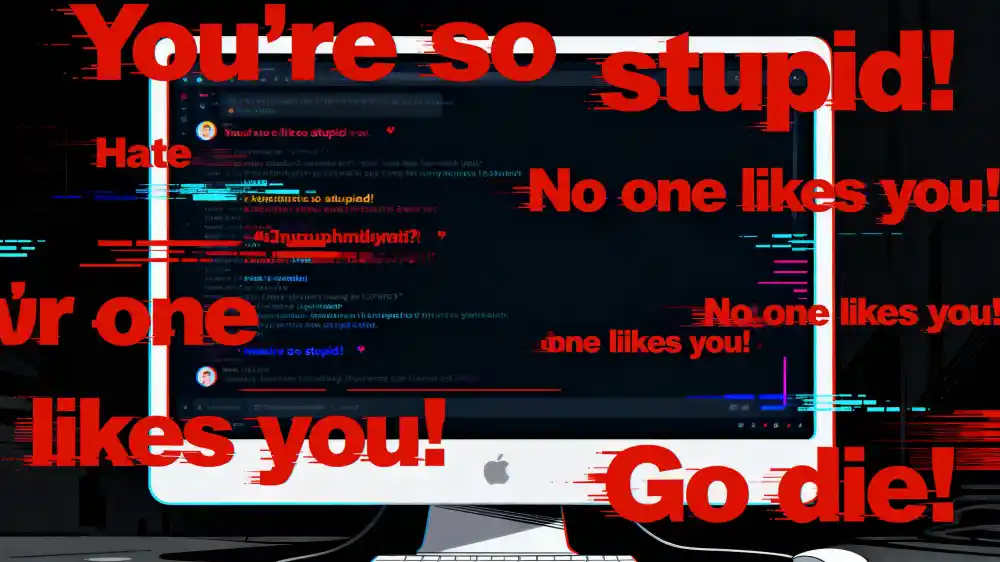
The other problem is rage-bait. Social media algorithms are deliberately trained to reward rage because it drives engagement and thus a person’s longevity on a platform. Rage-bait, now the entry of AI-slop, misinformation and anxiety driving content is the cocktail of success for these social media. And to disconnect from it all requires the willpower of a monk meditating in the mountains.
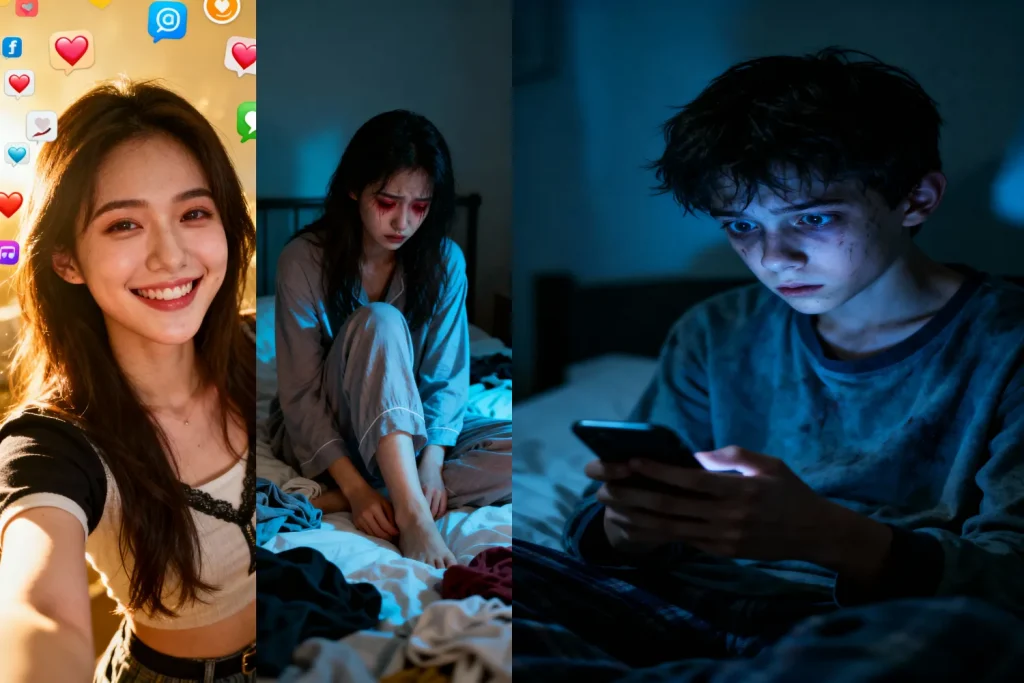
The other, perhaps a key problem for teens, is comparison, which can lead to low self-esteem. Most of us only put out our best content, that of living our best lives, on our socials. But those moments are an exception, not a lived reality, which viewers of the reel might not know, leading to a loss of satisfaction in their own lives and promoting impulsive behaviour. And let’s not forget that social media companies earn money through ads, so the focus is on optimising content for the currency of attention, not on user well-being.
A Digital “Safe House” or a Blunt Instrument?
Australian Prime Minister Anthony Albanese has framed the law as giving parents the backing of the law, a tool to say, “sorry mate, it’s against the law for me to get you to do this.” The logic, as we discussed, is straightforward. Delaying social media use will help kids have more time for their critical thinking and cognitive faculties to mature before facing the pressures that inevitably come with it. Also, the government wants to put a barrier against well-documented risks like cyberbullying, sextortion, grooming, and exposure to violent or pornographic content. And by fining platforms for noncompliance, they’re placing the onus for age verification on multi-billion-dollar corporations.
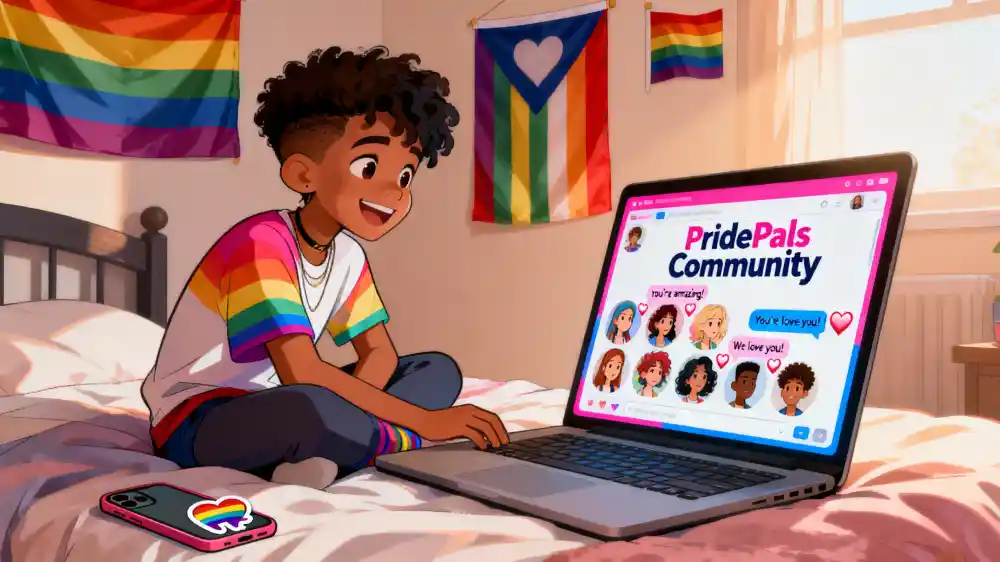
Those bits are understood and agreed to by everyone. But it also needs to be asked whether the law is a blunt instrument that ignores social media’s complex role in modern adolescence. For some young people, especially the vulnerable like LGBTQ+ youth, neurodivergent teens, or those in isolated rural communities, these platforms are a lifeline and not a pastime, providing crucial validation, support and a sense of belonging.
Enforcing the ban would require age verification using government-approved IDs or facial recognition. This raises tremendous privacy concerns. And we must remember that all this ban will do is displace and scatter online activity, not eliminate it. Teens could migrate to less-regulated places like gaming chatrooms and anonymous forums, and engage with apps that have weaker safety and content moderation.
The Enforcement Comedy
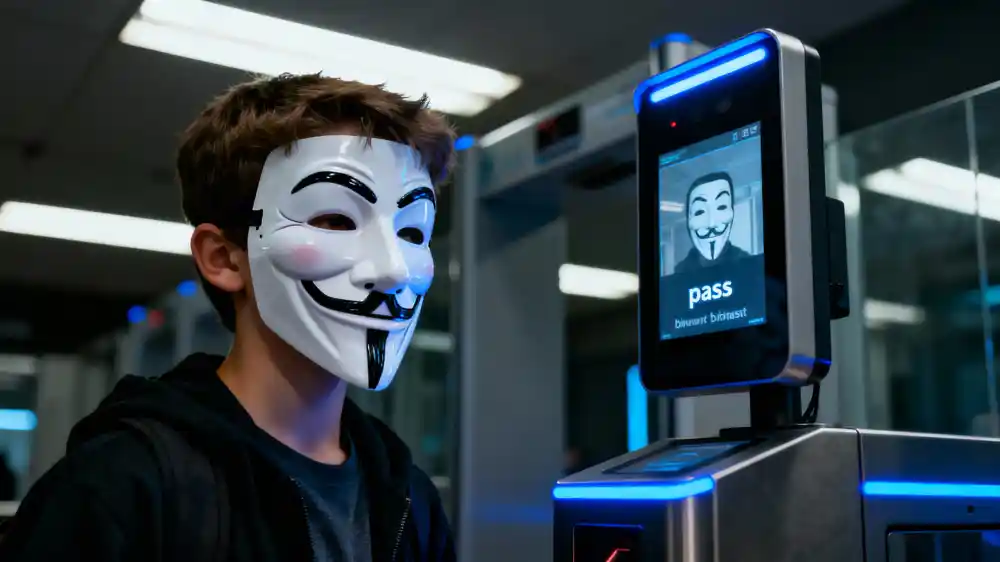
The major problem with this bill and ban is enforcement. It requires platforms to take “reasonable steps” to verify age, which is highly vague and has already led to strange break-ins. Researchers have found that cheap old man and Guy Fawkes masks, as well as other party disguises, can fool facial recognition systems.

An Australian news channel sat with teens who explained how they intend to bypass the rules, either with their parents’ help or by using simple VPNs, which will digitally make them part of another country rather than Australia. On top of that are AI tools that can mask your face and even basic disguises, which can easily sidestep this ban. There’s another danger: eligible adults could also find themselves banned from socials for no fault of their own.
The Global Perspective
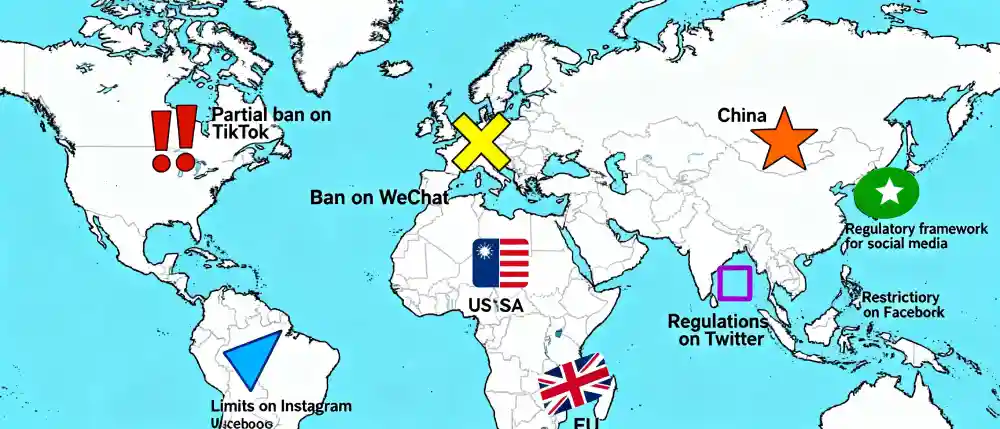
It is not just Australia; many other countries are looking to enforce similar bans. France is pushing for a similar ban on social media for those under 15, with proposals for a “digital curfew” for older teens. The US state of Florida has a law that bans those under 14 from social media accounts and requires parental consent for 14- and 15-year-olds. The UK has implemented robust age verification on pornography sites. The European Union has voted for a region-wide ban on social media for those under-16, with both Spain and Greece supporting it. China, meanwhile, believes in curfews, allowing kids only limited access per day.
The proposed laws and restrictions might differ, but the challenges they face are the same: technical loopholes, enforcement difficulties, and reliance on parental consent or on weak verification systems.
Don’t Treat Teens Like Hackers
A ban is a definitive line in the sand, but childhood and adolescence are lived in the nuanced greys. If the goal is truly safer online experiences, more sophisticated solutions are needed, ones that rely on education and empowerment, address root causes like digital literacy and seek to include and support all youth to foster partnership and trust.
The platforms should be made accountable not just to the kids, but to all of us. Global regulations are essential to make these platforms safer by design, so they don’t create algorithms that push angering and anxiety-inducing content to all of us. Measures like turning off autoplay and infinite scrolling for minors would also help, as would more independent audits of companies and their algorithms.
Resources should also be made available to help parents engage in conversations about online life and digital habits, along with the skills to negotiate age-appropriate boundaries focused on content and behaviour rather than just screen time.
Australia’s social media ban is well-intentioned, but also proves to be a sledgehammer swung at a complex, deeply embedded problem. It acknowledges universal parental and governmental anxiety but underestimates both teenagers’ ingenuity in bypassing them and the vital role digital spaces play in modern social formation. Hence, the world will watch the fallout of the ban, not as a simple success-or-failure story, but as one of learning and caution. It’ll help, however, if they look beyond the “How do we keep them off?” to “How do we help them thrive on it?” Because that will make all the difference.
In case you missed:
- Would you want to chat with a sexy ChatGPT; OpenAI’s ‘Adult Mode’ threat to the world
- The Verification Apocalypse: How Google’s Nano Banana is Rendering Our Identity Systems Obsolete
- Digital Heartbreak: Why China Is Banning AI Boyfriends, Should the West Follow
- The 3-Hour Countdown: India‘s New AI and Deepfake Rules Spark a Free Speech Firestorm
- Manufacturing Consent In The Age of AI: Simple Bots Play
- The Net That Caught Itself: How the World Learned to Cage the Internet
- Free Speech or Free-for-All? How Grok Taught Elon Musk That Absolute Power Corrupts Absolutely
- South Korea Made Generative AI a Citizen’s Right: Should the Rest of the World Follow?
- AI Browser or Trojan Horse: A Deep-Dive Into the New Browser Wars
- 5.6 Cr Pending Cases: How India Is Letting AI Slip Through Even As World Courts Revolution