



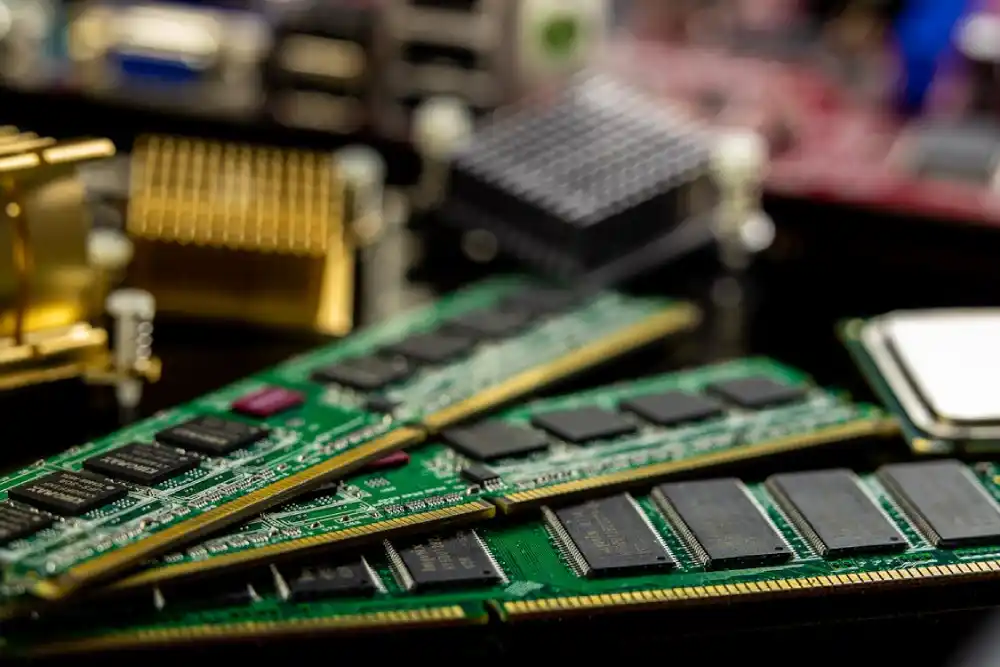

There’s no denying the fact that we live in privileged tech bubbles where our PCs sporting 64GB of DDR5 RAM (fifth-gen Double Data Rate 5 random-access memory) cost as much as our domestic vacations
They weren’t cheap earlier either, but buying them in 2026 might very well need you to break the bank. Clearly, the RAM crisis is not just a PC nerd problem anymore. Unofficially dubbed the “RAMpocalypse” – or “RAMageddon” – it’s sadly become the new norm of the tech world since late 2025, with the memory shortage expected to stretch throughout 2026, and maybe even beyond.
What’s more, it’s the AI (artificial intelligence) data centres that are largely to blame. As we complete a year of this chronic shortage of PC memory, it’s gotten more and more expensive to buy or build PCs. This article examines this crippling memory shortage crisis, tracking its origins, where it stands currently, and what we can expect from RAM prices and innovation in the next couple of years.
What Is The Memory Crisis All About?
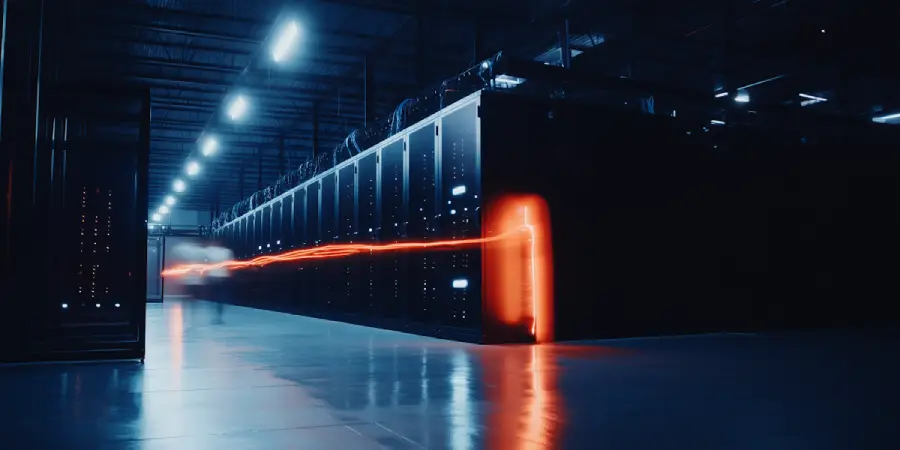
According to Counterpoint Technology Market Research, memory prices had already surged as much as 90% in Q1 2026, as compared to Q4 2025. This change largely stemmed from a change of focus by three of the world’s largest RAM component makers, Samsung, Micron, and SK Hynix, which comprise a whopping 93% of the market share. And the biggest target to blame for this mess? The AI data centre boom.
Let’s start at the beginning. RAM is a computer’s short-term memory centre that’s critical for allowing multiple applications to be run at once on computing devices. It’s also the foundational component of all modern computing devices, right from car infotainment systems to smartphones. However, AI data centres require significantly more high-performing memory than your usual consumer electronic devices.
According to a market analysis report by IDC (International Data Corporation), the above-mentioned dominant suppliers accelerated the production of high-capacity and high-bandwidth RAM for supplying to these AI data centres for accommodating their high computing demands. This has ended up triggering a domino effect of sorts, where long-term agreements now siphoned a hefty share of AI infrastructure, with as much as 40% reportedly locked in giant deals (for instance, SK Hynix’s and Open AI’s collaboration Project Stargate).
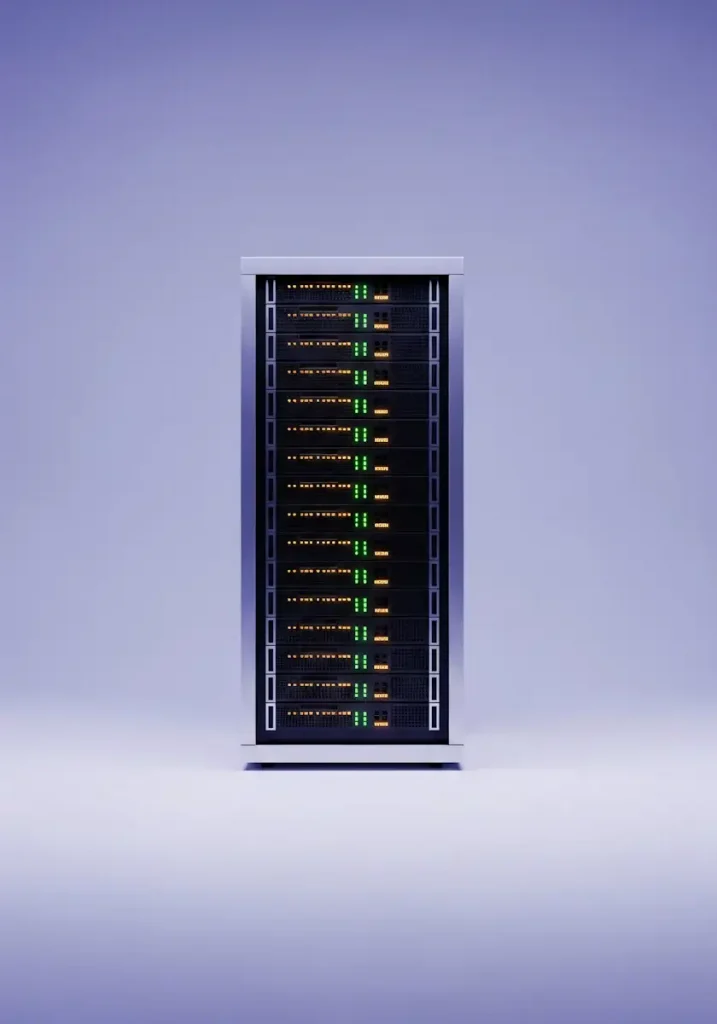
Besides the math being unforgiving, the fact is that semiconductor fabrication facilities can’t pivot overnight, and expansions are a matter not of months, but of years. The result? Server memories with higher margins win, restricting the supply of general-purpose memory modules, and midrange and consumer segments are pushed aside, thus driving up prices sharply across the board.
The shockwaves don’t stop at standard DDR. After all, SSDs rely on NAND, smartphones on LPDDR (low-power DDR), and gaming GPUs on GDDR (graphics DDR), and they’re all feeling the squeeze. Component shortages are forcing pricing resets even as delays are hitting gaming hardware and smartphone tech plans, including those of PC veterans like Dell and Nvidia.
Why Is This Happening?
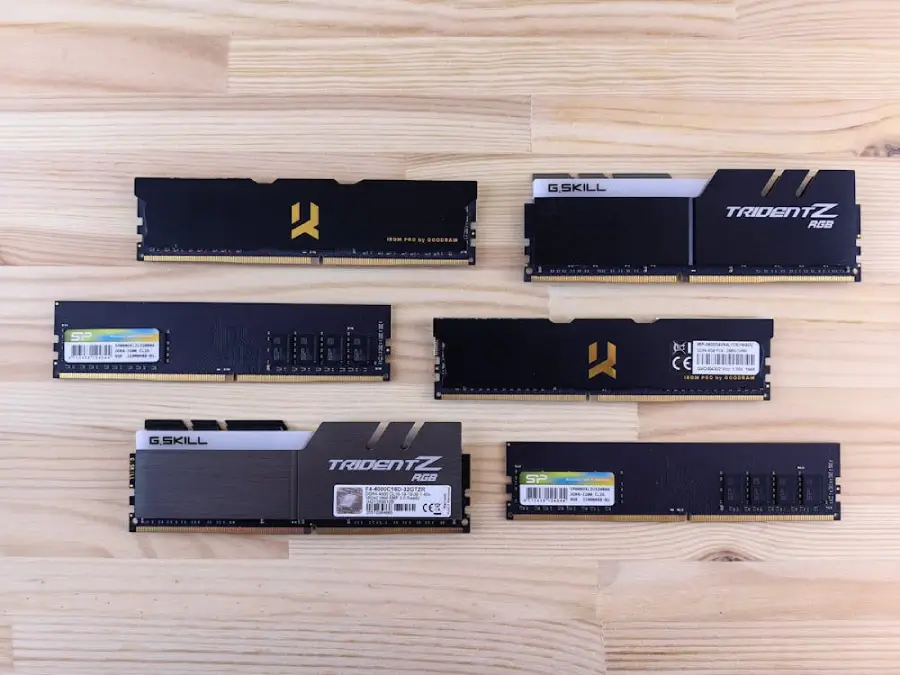
Think of it as an AI-driven memory demand shock. For years, RAM memory production has been an extremely consolidated business, with a majority of the components being made by a few global players. This led to steady consumer demand and optimised production cycles.
However, AI has thrown a wrench in the works, with major enterprises in the AI development arena requiring extremely powerful components that can process huge amounts of data. Get this: a single AI server can take up as much advanced memory as maybe even hundreds of traditional PCs. So, when these massive cloud computing hyperscalers build numerous versions of these systems all at once, they’re essentially absorbing a huge chunk of global memory production.
In fact, this crisis has actually revealed how modern AI workloads end up moving enormous amounts of data continually, with computing now becoming limited by data management and memory bandwidth, and not so much by processors.
Tech Innovation – A Changing Landscape
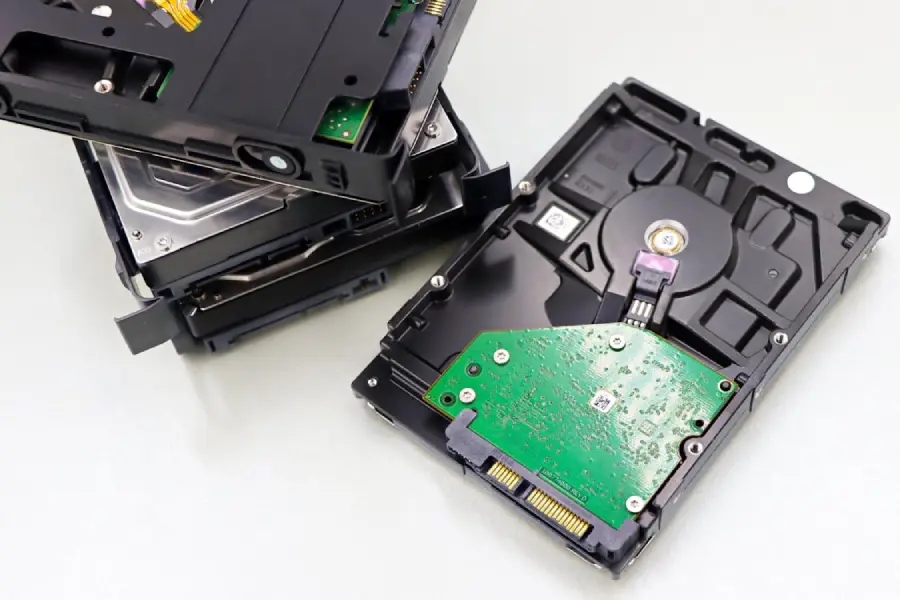
It has ultimately become the age-old story of the haves and have nots. It’s not just gamers and hobbyist PC builders who are feeling the pinch, but rather everyone who has been planning to purchase laptops, PCs, smartphones, or any computing device in the next few years. After all, memory is the bedrock of almost all modern electrical systems, with even consumer-grade devices now requiring an increasing amount of RAM to accommodate new state-of-the-art technologies, including camera upgrades and AI features.
Although this crisis will eventually ease gradually, as both computing and manufacturing architectures evolve, the fact is that it will likely be years before the shortage truly ends, as new fabrication facilities take several years to build and ramp up and cost an unhinged amount of money. Keeping this in mind, experts see no relief until 2028.
More importantly, this crisis exposes a hard truth: memory is now the rate-limiter of the AI era. While new strategies might be forged immediately, will the bubble pop before the “fabs” catch up? No matter the timeline, it’s safe to say that the relief is going to be gradual at best.
In case you missed:
- Offshore Data Centres: The Next Frontier
- The World’s Craziest Data Centres – Part 2: The Race for Innovation
- Desktop-as-a-Service in 2026: A Comprehensive Guide
- The Rise Of Cloud WAN and SD-WAN: Network For The AI Era
- AI Infrastructure: Building Scalable Architecture For The Future
- The Return of Retro Tech: Old Tech, New Tricks
- All About Edge AI: A Comprehensive Look
- All About AI Sovereignty: Why It Matters To India
- The Future of Wearable Tech in Personalised Care
- Is GPU-As-A-Service The New Cloud Gold Rush?