


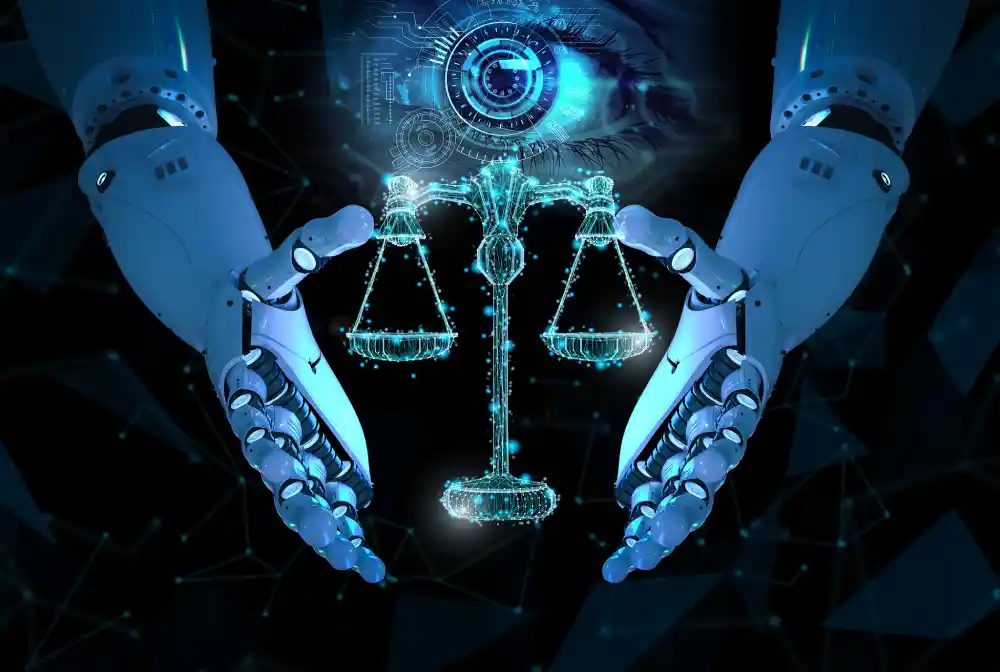

Supreme Court Flags AI-Drafted Petitions and the Risks to India’s Legal System
This was always bound to happen. In the last few years, Artificial Intelligence has been creeping into all walks of life in some form or the other. It was only a matter of time before the legal system felt its influence.
But all change is not good change. The Supreme Court of India has flagged an “alarming trend” of recent petitions that have been drafted using artificial intelligence tools. The problem is that they often cited non-existent judgments and fabricated case laws.

Fabricated Citations and Judicial Frustration
This issue came to light during a February 2026 hearing. The bench – led by Chief Justice Surya Kant, raised concerns over the referencing of a fictional case called ‘Mercy vs Mankind’. As it turns out, the case was purely AI-generated and it does not exist in any judicial database.
The court also noted that this was not an isolated incident. There are several other petitions wherein the judgements are entirely fabricated or real cases are quoted with invented observations and misleading context.
As it compromises the integrity and the accuracy of the court, the growing use of AI in drafting legal notes has come under severe scrutiny.
Who is to blame: AI or the Lawyers?
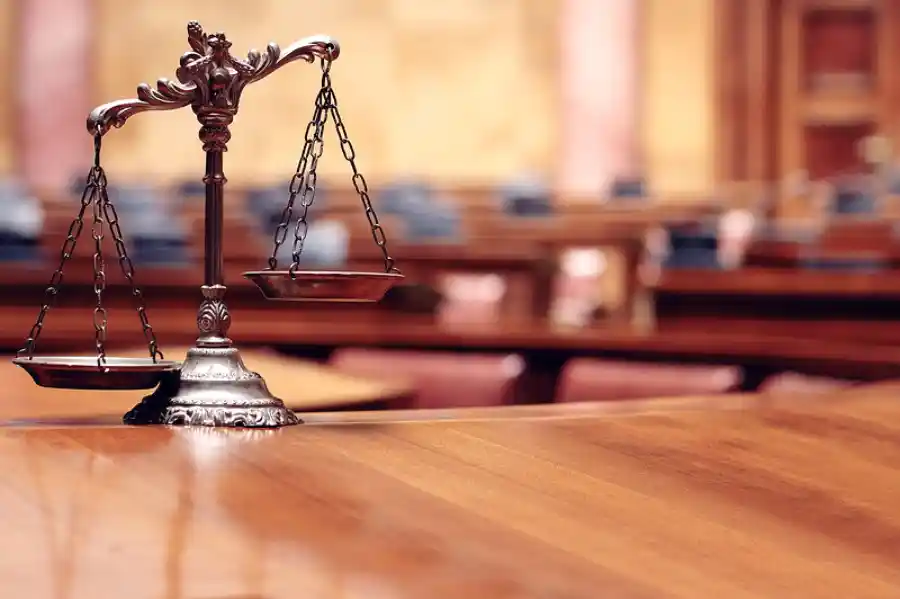
The Supreme Court has been quite clear in its stand against AI tools. While it does not completely prohibit the use of AI in legal drafting, it has warned lawyers about the implication.
It has insisted that every case law submitted before the court has to be verified and that lawyers cannot escape the responsibility by blaming technology. The Bench was firm about this point:
“a decision based on such non-existent and fake alleged judgments is not an error in the decision making. It would be a misconduct and legal consequence shall follow.”
In another case, the Supreme Court called out a January case in the Andhra Pradesh High Court where the verdicts referred to and relied on were non-existent and fake. The judgements were AI-generated and hence the Supreme Court has issued a notice on it.
Risking Time, Ethics and Litigant Rights
Indian courts are already dealing with heavy backlogs. Several cases, going back years and decades, are pending judgement. If on top of all that, judges have to take time out to verify whether citations are authentic and not AI-generated, that is a massive waste of time.
Advocates in India are governed by the Advocates Act, 1961 and the Bar Council of India Rules. These explicitly expect them to be fair and accurate in their submissions. Any fictional case or AI-generated ruling or judgement cited in their submissions should invite disciplinary action.
Moreover, the clients depend on their counsel to present accurate legal arguments. If the credibility of the case is damaged because of fictional citations; it is damaging for the client who ultimately bearsthe cost as well as the consequences.
AI Hallucinations and the Limits of Automation
Experts often talk about a known limitation of generative AI systems called ‘AI Hallucinations’. It is AI’s tendency to generate text based on statistical patterns, not live legal databases. This, in other words, means that when asked for precedents, it may produce plausible-sounding but non-existent case names.
This is not a problem in India alone. Courts in the United States and Canada have already sanctioned lawyers for citing AI-generated judgements. It is time that India also followed suit.
While the court will not explicitly prohibit seeking help from AI, it should call for accountability: the ultimate responsibility for factchecking and accuracy has to be on the lawyer who signs and files the pleading.

The Last Word
Mercy vs Mankind may never have existed but it has sparked a debate on the use of AI in the legal system. It has resulted in the Supreme Court calling out fake citations and the accountability of lawyers and advocates.
Mandatory human verification of AI-drafted content, cross-checking of citations and clear accountability frameworks are the need of the hour. Across the board, India is positioning itself as one of the leaders of responsible AI and the judicial system should be fully aligned with that goal.
The Supreme Court’s stand is very clear: efficiency cannot come at the cost of accuracy.
In case you missed:
- AI on Trial: Copyright Law caught between Innovation and Litigation
- Governments move to rein in social media and AI for children
- How Tech is Transforming Investigations for the Indian Enforcement Directorate
- Reddit launches AI-Powered ‘Answers’ Feature in India
- Grok’s ‘Spicy’ Feature lets you Generate Sexually Explicit Images
- India’s AI Ambitions in the Spotlight amidst DeepSeek’s Disruption
- How the US-China Tech Rivalry is Affecting India’s Future
- No More Budget Phones: India is Buying Premium Phones Now
- India’s Tech Renaissance: From Follower to Global Trendsetter
- Google’s HOPE Model: A Big Leap Toward AI That Never Forgets