



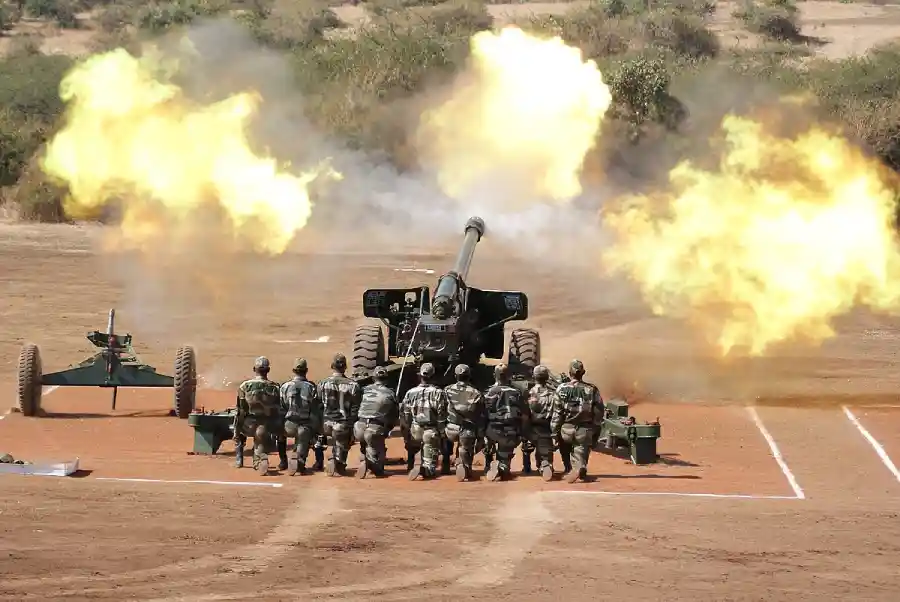

Adarsh takes you through the role that modern technology and artificial intelligence played during Operation Sindoor…
April 22, 2025 saw a devastating terror attack in Pahalgam, Jammu and Kashmir, that claimed over two dozen innocent Indian lives. In response, India executed Operation Sindoor in May. It was a precision military response that targeted terror infrastructure within Pakistan and Pakistan-Occupied Kashmir.
The successful mission was not only a statement of India’s attacking prowess but it also underlined how the Indian army was now relying deeply on advanced technology for its military operations.
At the recently-concluded ‘Science and Technology Media and Communicators Conclave’ as part of the India International Science Festival (IISF) 2025 in Panchkula, Lieutenant General Rajiv Kumar Sahni – who is the director general of electronics and mechanical engineers (EME) of the Indian Army – spoke at length about the role of technology during the operation.
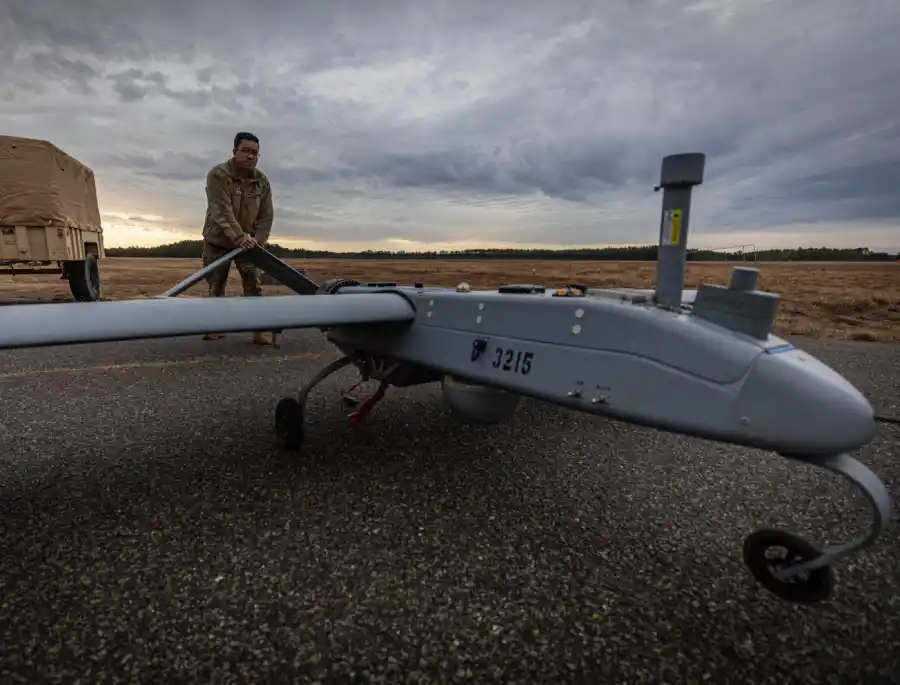
The Strategic Rationale behind Operation Sindoor
Operation Sindoor wasn’t just a military attack. It was a calculated response to terrorism. The Pahalgam attack underlined certain gaps in India’s defenses in the Kashmir region and it required a statement response.
Indian Intelligence units identified nine high-value terror targets in and around Pakistan and struck all of them at once in the early hours of May 22nd. A mixture of indigenous and advanced weaponry along with Artificial Intelligence powered analysis systems were used for the attack.
The success of the operation marked how India was beginning to use advanced technology for precision and strategic clarity in its anti-terror operations.

Technological Self-Reliance and Defence Innovation
What stands out most for Lieutenant Sahni is how India used homegrown technologies and scientific expertise to execute the attack. According to him, the mission was a testament to India’s growing technological self-reliance. The scientific ability proves our country’s national defence preparedness.
Dr Shekhar Mande, Former Director General of Council of Scientific and Industrial Research (CSIR) also spoke at the conclave. With the use of BrahMos supersonic missiles and 24×7 satellite support via ISRO, India’s indigenous defence ecosystem was central to the operation.
Satellite feeds and communication channels were monitored around the clock for seamless technological support. More than 400 Indian scientists were involved in the operation.
Responses and Legacy
Within India and abroad, Operation Sindoor was hailed as a decisive and calibrated blow against terrorism. It reinstated the clear message that terrorism would not be tolerated under any circumstance. The Defence Ministry described the mission as a “testament of India’s resolve and professionalism.”
But more than its tactical success, Operation Sindoor is a landmark moment for India’s defence self-sufficiency, strategic deterrence and technological innovation. It is a shift in the approach towards national security, with science and strategy converging to achieve success.
The Last Word
Operation Sindoor was not just about retaliation or revenge. It goes a long way in showcasing India’s scientific capabilities and strategic resolve.
As India continues to integrate scientific advancements into its defensive planning, Operation Sindoor will be remembered as a watershed moment in its defensive history.
In case you missed:
- How the Indian Army is Using 3D Printing to Build at the Border
- ChatGPT for Cyber Espionage: North Korea’s AI-Driven Phishing Campaign
- India’s Tech Renaissance: From Follower to Global Trendsetter
- How the US-China Tech Rivalry is Affecting India’s Future
- India’s AI Ambitions in the Spotlight amidst DeepSeek’s Disruption
- Agentic AI could be the Breakthrough Indian SMBs were Waiting For
- SpaceX’s Starship: A Heavy-Lift Future for 2026
- Reddit launches AI-Powered ‘Answers’ Feature in India
- How Tech is Transforming Investigations for the Indian Enforcement Directorate
- Target, NVIDIA Best Tech Workplaces in India, Amazon, InMobi among Worst