




It’s time to think about how critical online safety is as the cyberattacks are on the rise. This, especially more so, since the primary vector of initial intrusion in cyberattacks is phishing, accounting for a whopping 60% of cases.
We’re being plagued by social engineering, deepfakes, and urgent calls/texts from so-called trusted people, which hackers are using to gain access to our assets and accounts. This is where staying alert and following good cyber hygiene comes to your rescue, as it could be the difference between staying protected and losing years of work and efforts to obtain financial security.
With the stakes as high as ever, here’s a deep dive into why digital self-care and cyber hygiene are important, and how exactly to go about indulging in them.

Why Cyber Hygiene Matters So Much Today
In January 2025, an unnamed, mid-sized manufacturing enterprise lost GBP 2.3 million to a sophisticated phishing attack. If you’re thinking there were zero-day exploits or advanced malware involved, you’re wrong. All it took was a reused password and a single, unopened security update for everything to go up in smoke – and these are the most basic cyber hygiene failures.
In today’s hyperconnected business world, these incidents are nothing less than wake-up calls, with the need for cyber hygiene having grown exponentially with time. Case in point: 2024 saw more than 6 billion personal records being exposed across data breaches worldwide. Now hackers even deploy AI-powered phishing attacks to weave scams so convincing that they could style e-mails and mimic voices of people you know intimately.
If that wasn’t enough, the advent of everything smart and connected means our daily routines are out there for everyone to see and extract information from. The convenience is obviously at its zenith, but the erosion of privacy has also never been greater.
The Cyber Hygiene and Digital Self-Care Roadmap
Cyber hygiene and digital self-care aren’t one-point solutions, but rather a way of digital life. Here’s a look at the foundational elements of digital defences to protect everything digital that you’ve worked for.
First up are passwords, the toothbrushes in the digital world: they might be boring, but they’re indispensable, and the first step to keeping trouble at bay. Good password practices such as using password managers and passkeys are simple yet critical steps to staying safe digitally. They’re not only replacing unsafe traditional credentials completely, but they’re also making digital life more safe and secure without us having to put in any extra mental effort. This act of tending to passwords, as mundane as it may seem, is just like brushing our teeth: it prevents a ton of problems later on.
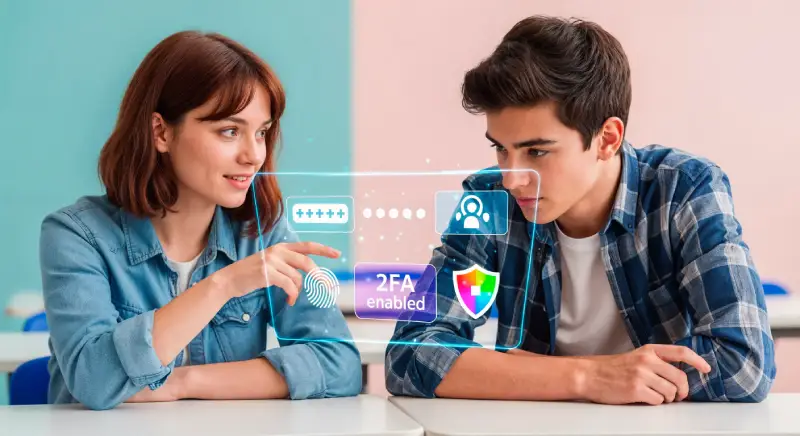
Next up is multi-factor authentication (MFA), which is akin to donning a seatbelt: it adds an additional layer of safety at the right time. This second form of verification, which is usually a hardware key, a prompt on a trusted device, or a temporary code, ensures that the users accounts are safe even if passwords are leaked. MFA might seem like a hassle, but making it a routine will give you reassurance like nothing else will.
Imagine what would happen to our bodies if we didn’t keep updating it every few years, and by updating we mean taking our necessary vitamins, getting check-ups done, and getting vaccines. They’re easy to ignore, but delaying them could be devastating. Security updates are much the same: they pop-up at an inconvenient time, they’re easy to ignore, and can be delayed. However, hackers can easily exploit patch vulnerabilities, which is why it’s important to embrace automatic updates. These invisible shields are what will keep your devices resilient as well as protect any personal data that’s stored within.
Does decluttering your closet or room make life easier? So does reducing your exposure when it comes to cyber hygiene. Over time, we tend to accumulate tons of subscriptions, apps, and accounts we don’t use, which increases our digital exposure in a way we least expect. Keeping your tech tidy by sharing less data online, revoking unnecessary app permissions, and deleting old accounts greatly lightens the burden of constant digital vulnerabilities. Minimalism in the order of the digital world, after all.
Finally, backing up data is critical, as there’s nothing more devastating than losing one’s personal records, creative projects, documents, and photographs. Backups like cloud services with strong encryptions are excellent safety nets, ensuring the preservation of important data even in the event of ransomware attacks or device failure and thefts. And if you also perform offline backups on external hard drives, then nothing like it.
Famous Last Words
By the end of 2025, global cybercrime is expected to cost more than USD 10 trillion annually, with sophisticated attacks and simple human errors equally responsible. These numbers might be daunting, but could be reduced greatly with daily, consistent care. After all, cyber hygiene isn’t a checklist but rather a lifestyle.
It isn’t about expecting disaster, but rather about cultivating peace of mind with a digital wellness habit, which has become a necessity in today’s hyper interconnected world.
In case you missed:
- Are You Using AI To Generate Passwords? It’s A Terrible Idea
- Are Chatbots A Backdoor To The Next Big Hack?
- Identity and Access Management: Why Identity Is The New Frontier In Cybersecurity
- The French Fridge Phishing Fiasco: And Other Connected Device Stories
- AI Runtime Security: A Comprehensive Look
- Fighting AI With AI – The Future Of Cybersecurity
- All About Data Poisoning Cyberattacks
- The Rise and Evolution Of Honeypots In Cybersecurity
- All About Cybersecurity-as-a-Service
- Hiding In The Dark: Navigating The Threat Of Shadow AI