



Do you remember when Spotify was supposed to have completely obliterated the CD (compact disc, for Gen Alpha and Beta) for good?
As it turns out, the CD era didn’t quite get the memo. According to a new report from RIAA (Recording Industry Association of America), CD revenue in the United States reached a whopping $171 million in the first half of 2026, jumping as much as 58.6% in sales as compared to the previous year. And no, that’s not a one-off spike from a blockbuster album or any rounding error; it’s the reversal of a genuine decline, and it’s taking place alongside a much larger and significant shift: the full-blown revival of “retro tech.”
From landline phones to typewriters, retro tech has quietly been transforming into one of the more interesting tech trends of 2026.
It’s very tempting to slot this as “nostalgia” – with a fresh coat of marketing paint, of course. However, this is more than just nostalgia; after all, typewriters have been retailing for $699 and a phone that blocks half the internet costs $499. What is the nature of this return of retro technology and why are people paying for gadgets designed to do so little?

The Numbers Are Speaking
Given where things stood a year ago, this CD rebound is genuinely surprising. CD revenues were to the tune of $312 million in 2025, having fallen 7.8% from 2024’s $339 million. 2026’s turnaround, thus, isn’t the continuation of a trend, but rather a course correction that no one say coming.
There are a few caveats, though, besides a change in how RIAA calculates dollar figures and unit sales still showing a decline. Firstly, collectible K-pop CDs, packaged with exclusive art and photo cards, have been a huge driver for this growth. Even if we don’t consider that, CD sales are still up close to 7% in 2026, which suggests that there’s something brewing on the whole, and not just in the fandom economy of a single genre.
This, especially when physical media as a whole, vinyls and CDs combined, grew to a whopping $731 million in the same period, up 26%.
What Is Everyone Buying Exactly?
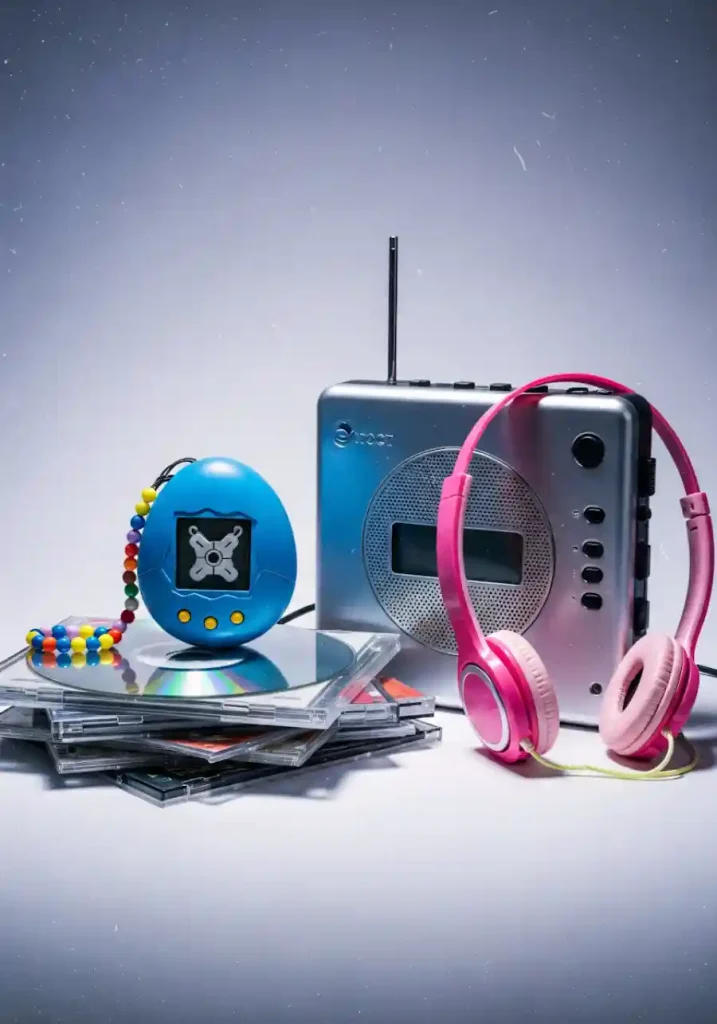
It’s not just the CD that’s been making a comeback. It’s part of a wider basket of deliberately limited devices that are now finding real demand, especially with Gen Z buyers who never grew up with them the first time round. For instance, digital typewriters such as Pomera and Freewrite are stripping writing down to a small screen and a keyboard, with no browser or notifications.
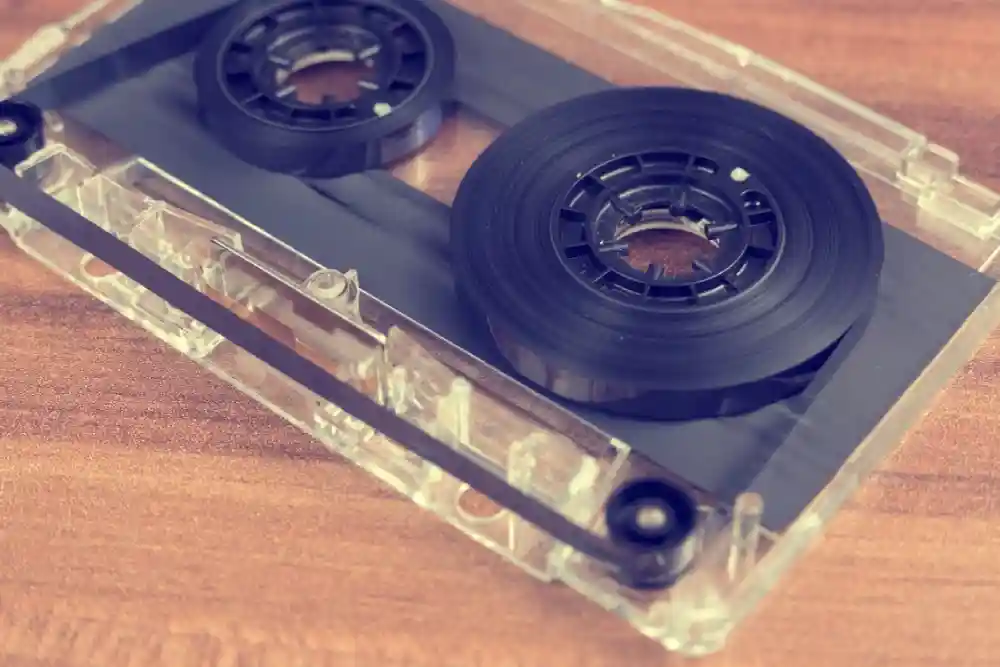
Cassette decks and boomboxes, such as the We Are Rewind GB-001 and the Kickstarter-funded Bumpboxx BB-777, are modern reimaginings of the classic boom box. They blend the classic 1980s design with rechargeable batteries and Bluetooth. It’s surprising how popular instant cameras from Fujifilm and Polaroid are with Gen-Z buyers, even in India, with the appeal being holding a physical photo seconds after taking it.
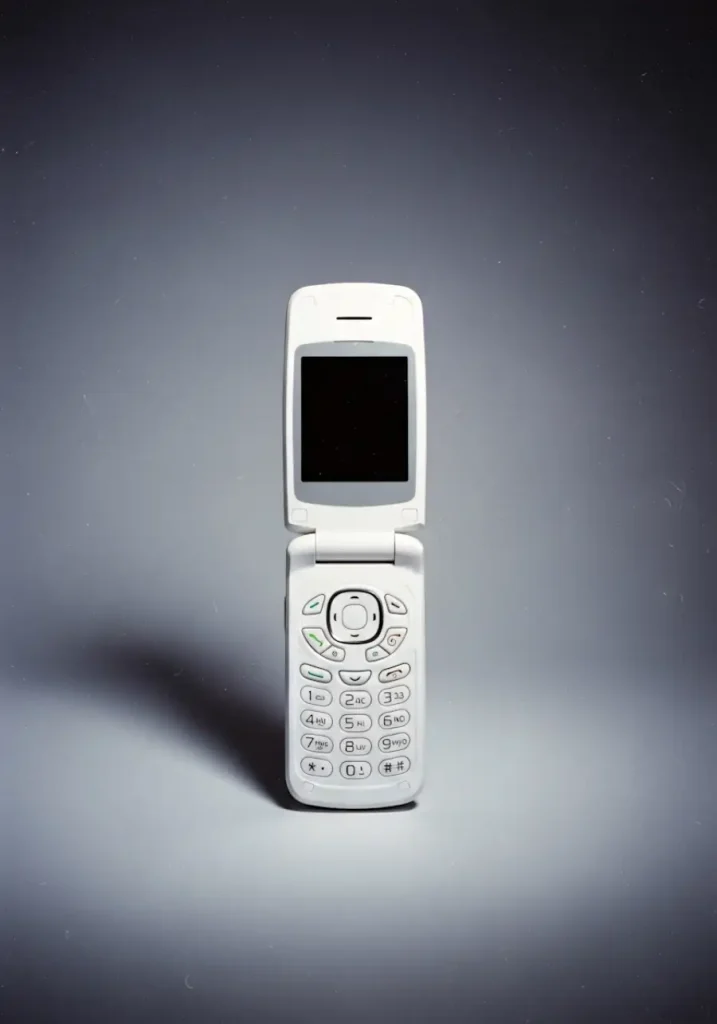
If that wasn’t enough, there are even screen-free landline phones for children, such as Pinwheel Home and Tin Can. India isn’t far behind; the JioPhone Prima 2 is a smart keypad button phone, which combines the older physical button design with all features of a smartphone. It’s a retro “dumbphone” with a modern twist.
What these “Gadgets” Are Actually Selling – And Why Now?
Here’s where it gets interesting, going beyond the simple “vintage stuff” narrative – rather, restriction has emerged as the premium feature. The lesser the functionality, the more is the price. Take the Freewrite typewriter, for example, which costs $699 for a product that does far, far less than a $200 laptop.
The Clicks phone, which is a BlackBerry-style device with a physical keyboard, deliberately excludes social media and mobile games, and costs $499. And people are willing to pay. The common thread? A growing aversion to the pinnacle of the tech pyramid, the all-conquering smartphone that’s pulled us away from the activities that we wanted from a phone – making phone calls, taking photographs, and listening to music. With the advent of the smartphone, the constant interruptions make these activities feel secondary.
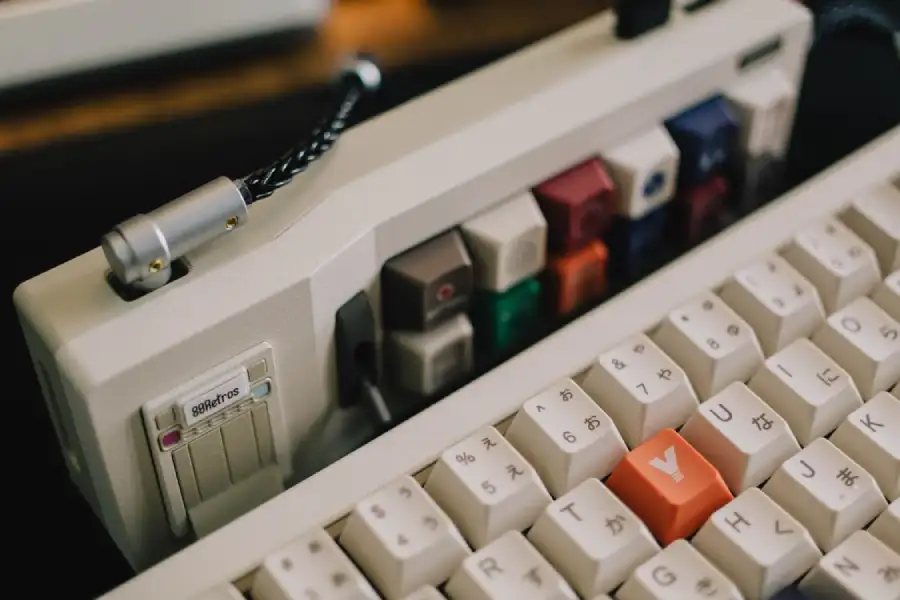
So, why is this happening right now? For one, we all have screen fatigue, and digital detox is a real thing we’re chasing. We miss tactile tech where a lever or a button push offers a satisfying sense of doing. Tech design these days is boring, and retro tech is anything but that, as it is packed with oodles of personality and is flamboyant and bold. And as for Gen-Z, this constantly connected society is all they’ve ever known and seen, so retro tech is a way for them to unplug.
What ties all of this together isn’t a rejection of technology, but the desire to control it. For a generation raised entirely inside algorithmic feeds and smartphones, retro devices represent a kind of tech they never actually got to experience: one with less room for apps to compete for their attention, fewer notifications, and clearer boundaries. Meanwhile, older collectors are drawn to the same products for the “nostalgia” factor, but with a splash of coolness thrown into the mix. And the fact of the matter is that some of the old hardware simply did things better.
In the end, retro tech isn’t about rejecting the digital world, but rather a recalibration of it. After all, technology changes by the hour, and every piece of tech has its day.
In case you missed:
- A Cybersecurity Blindspot – Can EVs Be Hacked So Easily?
- Is GPU-As-A-Service The New Cloud Gold Rush?
- Blockchain In Cross-Border Payments: Reshaping The Global Payment System
- Agentic Commerce: A New Era Of AI-Assisted Retail
- RAMpocalypse Now: Is Memory Shortage Crippling Global Tech?
- Tokenization of Real-World Assets: Assets Going Digital?
- The Indian Indigenous AI Model Map
- All About Edge AI: A Comprehensive Look
- Agentic AI Is Now A Fund Manager, Believe It Or Not
- How Blockchain and AI Are Revolutionizing Modern Finance