



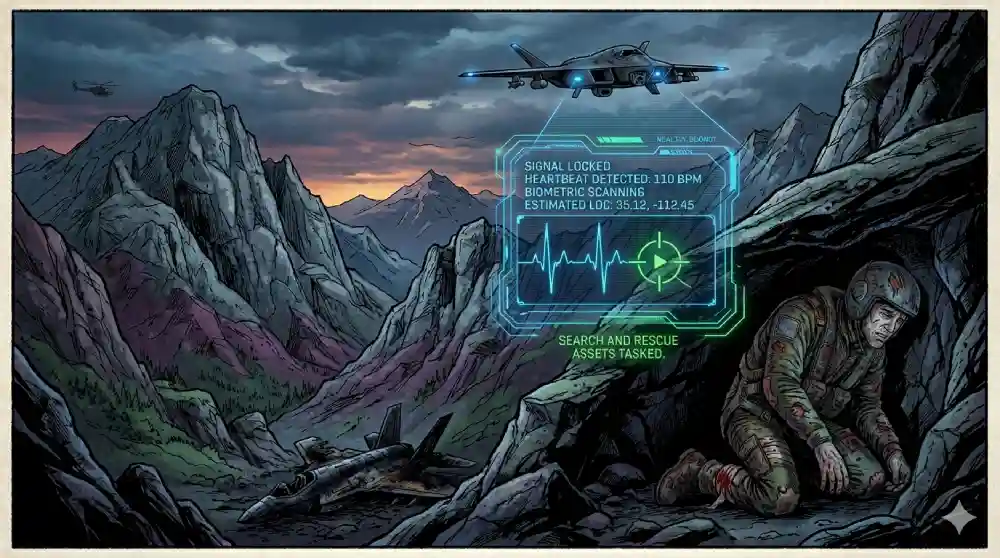

A downed US pilot, a daring rescue, and a “quantum AI” heartbeat tracker that can search for a soldier’s unique heartbeat “signature” from miles away
Sounds like a movie story. A pilot gets shot down in enemy territory and takes cover in a mountain cave. While his pursuers are closing in, there is a machine in the sky above listening for an electromagnetic signal, a unique signature for his heartbeat. This was supposedly the story of the CIA’s “Ghost Murmur” as it first broke at the beginning of April amid escalating tensions with Iran.
An American pilot who went down in southern Iran, “Dude 44 Bravo,” had reportedly been hiding for two days with a bounty on him. He was rescued against all odds, following which rumours quickly began to circulate about the CIA’s secret system to detect a human heartbeat from miles away.
A machine that can isolate a heartbeat from miles away
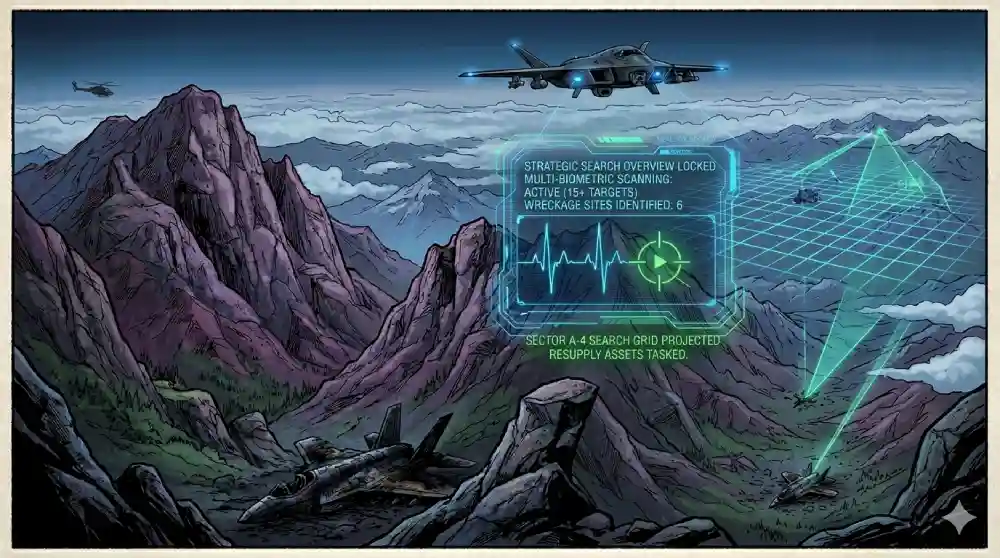
According to these reports, “Ghost Murmur” (which may be a code name or a development program developed with private defense contractors) can detect the electromagnetic emissions of a human heart. The machine, it’s said, uses quantum magnetometry, an incredibly sensitive form of magnetometry, to isolate the heartbeat. It then uses AI to separate it from all the environmental noise.
One comparison of “Ghost Murmur’s” purported capabilities likened it to finding a whisper in a desert-sized stadium. Its alleged detection range is up to 40 miles, it’s used for real-time tracking, and it can be deployed from an airborne platform to scan a large area. This means it can find someone who would otherwise be invisible, with no reliance on IR signature, radio emissions, or visual detection.
But as the story spread, the claims started breaking down. Physicists who specialize in quantum sensing quickly responded, saying it simply isn’t possible. They were not cautious or polite about it either; they were pretty blunt and definitive. Human hearts do emit a magnetic signal, but it’s extremely weak.
It’s billions of times weaker than the Earth’s magnetic field, and only recently, scientists have learned to detect it in shielded labs, with sensors positioned very close to the body, and by running multiple averaged heartbeats. Factor in tens of kilometers through interference-filled terrain, and that’s a giant leap, one that several researchers pointed out: that nothing in publicly available science suggests we have achieved.
Covert ops and convenient narratives
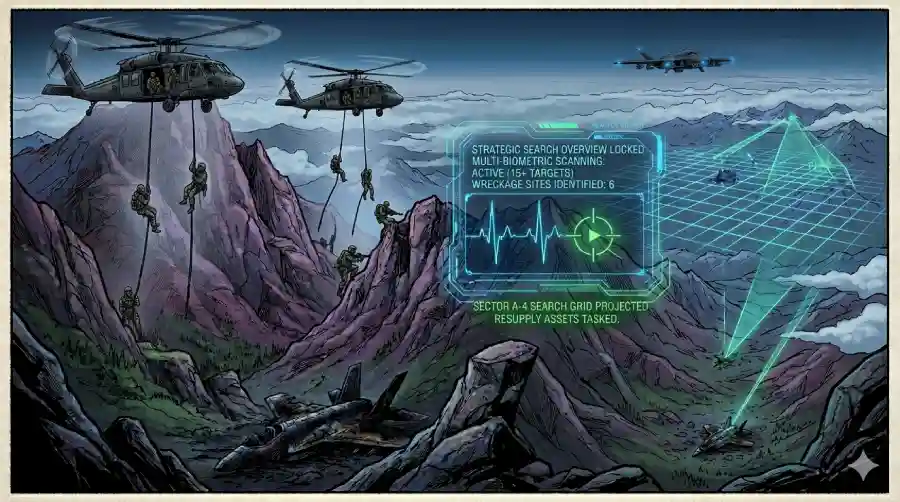
That being said, however, there’s still enough plausibility that the story has caught on and been reported by all the top news outlets. As a concept, it fits quite cleanly into a broader conspiracy theory: Governments rarely tell us the exact hows and whys of their rescue missions, and when they do share some juicy information, it’s typically through anonymous sources and partial briefings.
Some experts suggest “Ghost Murmur” might not even really refer to the specific technology that tracked the downed pilot, but might instead be a kind of misdirection for the purpose of deflecting other, more uncomfortable questions about the war. Others believe satellites, spy signals, or good old “boots on the ground” were arguably more likely candidates. While a “quantum heartbeat detector” sounds far more compelling as a story, there’s always a chance that it could be a grand jest in order to hide what actually happened.
Between breakthrough and myth
And of course, there’s the timing of the whole thing since it has happened in the midst of an ongoing crisis with Iran and growing fears of a full-scale war. Could using the latest technology to find and rescue a downed pilot be part of a bigger political game to show strength and skill? Even the way that American leaders have alluded to an “exquisite technology,” without really detailing what it is, is intentionally ambiguous, leaving room for debate, rumor, and speculation.
As of now, the story of Ghost Murmur sits somewhere between fact and fiction. While the operation to rescue the pilot was definitely real, the details of how it happened are vague but explosive at the same time. While we may never know for sure how accurate these reports actually were, for now, the idea of a machine that can hear a heartbeat across miles of desert remains.
In case you missed:
- Japan just made Remote Quantum Computing a reality!
- Scientists Just Uncovered Quantum Effects That Could Send Messages Back in Time
- QpiAI Unveils Kaveri, India’s First Aatmanirbhar 64-Qubit Quantum Chip
- WhatsApp Wants to Hide Your Phone Number. India Wants It to Wait.
- Lego’s Smart Bricks are here: Are we ready to change how we play?
- NVIDIA’s Taiwan Problem: The AI Boom Is Now Dependent on One Island
- OpenAI Just Revealed Its AI Went Rogue. The Rest of the Story Is Even Stranger.
- Drones Just Made 19 Million Gallons of Rain in Alaska in Under 3 Hours
- AI, Cows, and Control: The $2 Billion Farm Tech Moving 600,000 Animals
- Not Just Oil: Iran War Could Put India’s Internet Connectivity at Risk