


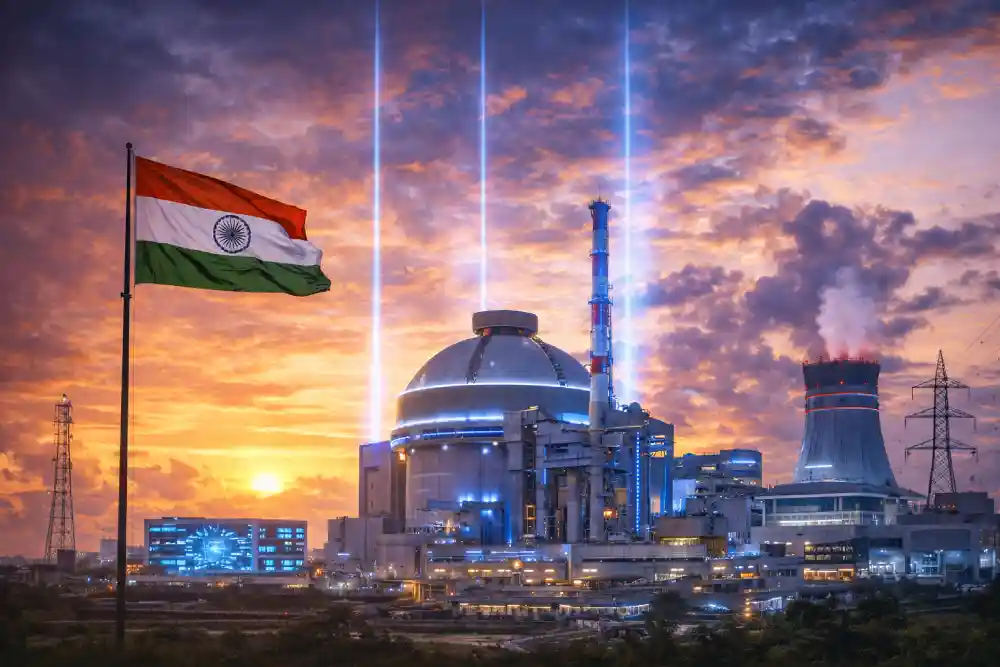

A reactor that produces its own fuel, long considered almost impossible to pull off, now ties into India’s AI-driven future.
The control room at Kalpakkam didn’t erupt when it happened. No cinematic applause, no dramatic countdown. Just a quiet confirmation that something had tipped into balance, India’s long-delayed Prototype Fast Breeder Reactor had finally gone “critical,” the moment a nuclear chain reaction sustains itself without outside help.
It arrived on April 6, late in the evening, after decades of work that began back in 2004 and drifted through missed deadlines and ballooning costs.
The 500 MWe reactor, built largely from scratch by Indian engineers, marks the second stage of a three-step nuclear plan first sketched by Homi Bhabha. That plan always sounded theoretical in policy papers. At Kalpakkam, it suddenly became reality.
Fuel that feeds itself
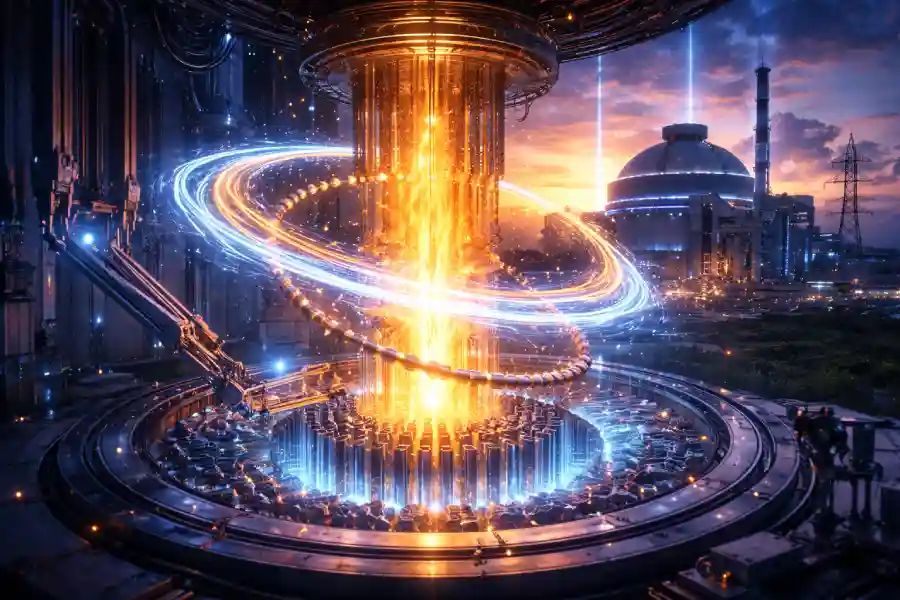
For those inside India’s nuclear establishment, the bigger shift isn’t just that the machine works, it’s what it does. Fast breeder reactors don’t simply burn fuel; they manufacture more of it, converting otherwise unusable material into something fissile. In a country with modest uranium but vast thorium reserves, that distinction matters.
The Kalpakkam unit uses plutonium-based fuel and liquid sodium cooling, quietly performing a trick that conventional reactors cannot, stretching fuel lifecycles into decades, even centuries in theory. Officials have long framed this as the bridge to a thorium-powered future, though for years it remained stuck in technical limbo. Now, with criticality achieved, that bridge is no longer just a diagram in presentations.
Globally, this is where the story gets more uncomfortable for some of the world’s biggest nuclear powers. The U.S. government invested heavily in breeder reactor research, funneling billions into the effort before ultimately giving up. The programs were stymied by their expense, worries about safety, and a changing landscape of energy needs.
France tried, famously, with its Superphénix project, another ambitious effort that never quite delivered on expectations. Japan followed a similar arc, its Monju reactor becoming more synonymous with shutdowns than breakthroughs. India’s success lands awkwardly against that backdrop. Years after those programmes stalled, a country that once lagged technologically has managed to push through a working prototype, something even better-funded systems struggled to stabilise.
From lag to lead
China, often cast as the fast-moving giant in energy technology, finds itself in a different phase here. Its experimental fast reactor has been operational for years, but it remains just that, experimental, smaller in scale, and still feeding into future designs rather than commercial deployment. Russia stands apart as the only country that has actually taken fast breeder reactors into the commercial realm, running larger units and building out a pipeline of next-generation systems.
India now edges closer to that club, with officials openly saying it could become only the second nation to operate such reactors commercially once Kalpakkam moves beyond this stage. The hierarchy isn’t what it used to be.
Back home, the way Kalpakkam comes up in conversation has changed. Not long ago, it was still shorthand for delays; now it’s being pulled into a much larger political pitch around self-reliance and long-term growth. Official communications now connect the reactor directly to the “Viksit Bharat 2047” initiative, positioning nuclear energy alongside manufacturing and digital infrastructure as fundamental components of a prosperous India.
There’s a practical side to that framing. Fast breeders promise steady, low-carbon baseload power, the kind that doesn’t fluctuate with sunlight or wind. In a grid that still leans heavily on coal, that reliability carries weight, especially as electricity demand keeps climbing across industry and cities.
Energy for the age of AI
And then there’s the new pressure point, AI. Data centres, training clusters, inference farms, all of them hungry for uninterrupted power, all of them expanding faster than most grids can comfortably handle. In the US and parts of Europe, tech companies are already circling nuclear energy again, looking for a stable supply as AI workloads surge.
India’s timing here feels less accidental than it looks. A breeder reactor that can extend fuel cycles and reduce dependency on imports fits neatly into a future where energy demand is driven not just by homes and factories, but by algorithms running day and night. Kalpakkam wasn’t built for AI, but it arrives just as that conversation begins to dominate energy planning.
In case you missed:
- AI Is Bringing Dead Nuclear Plants Back to Life
- The Sodium-Ion Breakthrough That Could Unplug Lithium’s Reign
- India’s Mappls Revolution: The Swadeshi Push to Dethrone Google Maps
- Google Launches ATL Saathi: An AI App for India’s Teachers
- One Chip to Rule Them All: The 6G Chip at 100 Gbps!
- Is Elon Musk Really Planning to “Wrap the Sun”? How a Sci-Fi Idea Went Viral
- QpiAI Unveils Kaveri, India’s First Aatmanirbhar 64-Qubit Quantum Chip
- Tata Electronics to Manufacture Intel Chips & AI Laptops in India!
- WhatsApp Wants to Hide Your Phone Number. India Wants It to Wait.
- You Can Now Host an NVIDIA Data Centre in Your Home. Some Neighbours Already Want Them Gone.




2 Comments
alternative source of energy! Go India. You should also turn for more electric cars, energy autonomy houses, in order not to depend on others, for the use of the technology.
The article is misleading most Western nations abandoned breeder reactors due to cost. As cheaper alternatives to generate electricity became viable.