



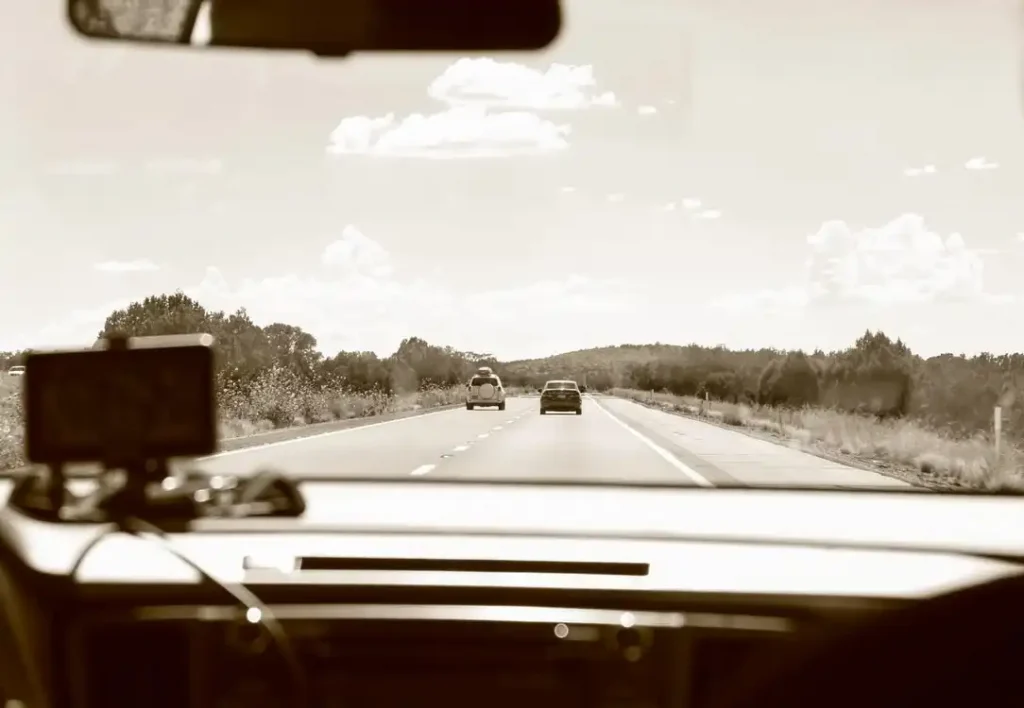

The role of seatbelts in saving lives on the road has been unparalleled. In 2026, AI dashcams have transformed into the new seatbelts, as road safety isn’t just about following speed limits and wearing seatbelts anymore…
Today, it’s about using and deploying intelligent tech to predict and prevent accidents, and AI (artificial intelligence) dashcams are at the helm of this transformation. In fact, American IoT firm Samsara performed a worldwide analysis of more than 2,500 fleets and released a first-of-its-kind report in May 2026, which validated the efficacy of AI-enabled telematics and cameras in reducing crashes, besides improving fleet safety performance.
During a 30-month period, they collected 20 trillion data points generated from the miles driven during that time. In fact, multiple fleet operators, systems, and firms across the private and public sectors either have already or are in the process of moving AI dashcam pilot programs into everyday operations. The objective? To target measurable gains in customer service, uptime, and safety.
Even for the common man, dashcams aren’t just passive footage-recorders anymore; they’re now active co-pilots that watch not just the road but also the driver, intervening rather than simply documenting. Have AI dashcams become the new seatbelts?

What Are AI Dashcams And How Do They Actually Work?
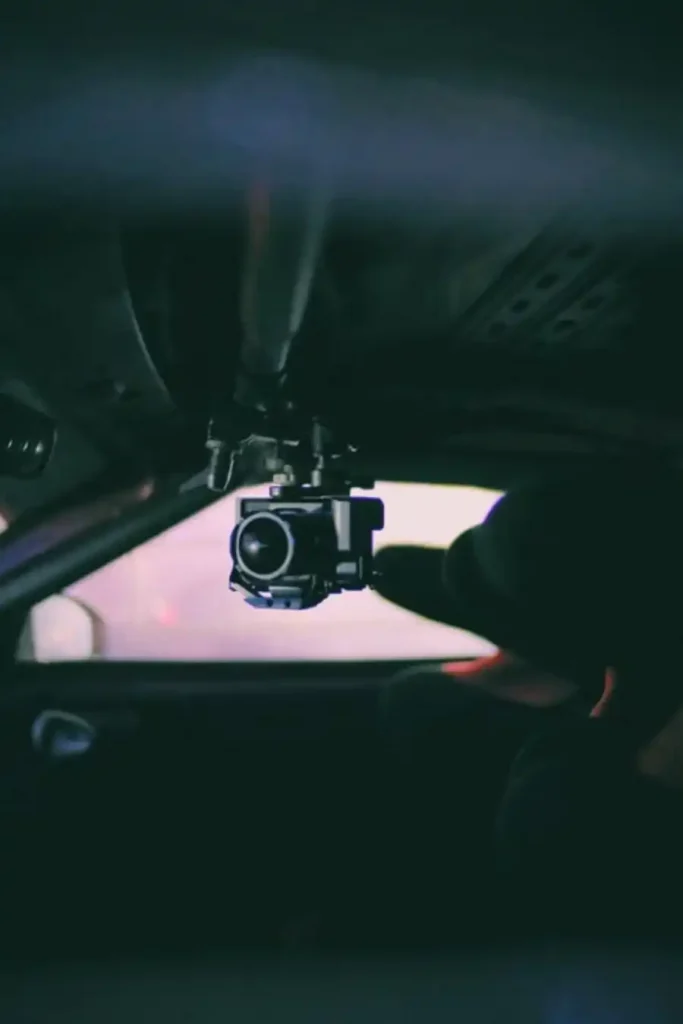
Basically, AI dashcams are either single- or dual-facing cameras that are installed in vehicles to analyse road conditions ahead continuously. In the case of dual-facing dashcams, they also analyse driver behaviour, helping avoid collisions by reducing distracted driving by providing driver alerts. These smart driving assistants use AI to analyse live video, spot risks, and alert drivers, all in real time.
Unlike traditional dashcams, AI dashcams are constantly computing. They can predict collisions and alert drivers instantly, detect over-speeding and harsh braking, identify drowsy or distracted driving, monitor tailgating and lane changes, and send alerts and video to cloud dashboards.
For instance, the Palo Alto, California company Nauto’s system combines a live feed from the vehicle’s onboard diagnostics, a road-facing camera, and a driver-facing camera. Together, these systems feed a neural network that runs partly in the cloud and partly on the device (thank you, edge AI), recalculating collision risk in real time. It tracks more than 10 indicators of drowsiness and distraction, including gaze drifting from the road, longer eyelid closures, blink rate changes, yawning, and head-nodding, among others.
If that wasn’t enough, it’s also context-aware: pedestrians stepping into crosswalks will trigger an alert if the driver is scrolling on their phone, but won’t if they’re alert and are slowing down. It’s the same with tailgating, with the system alerting about longer distances between cars during rainy days but being a little more tolerant on dry, sunny ones.
Do They Work?
The results are there for everyone to see: Nauto’s controlled track tests flagged 95% of rolling stops and 100% of seatbelt, texting, and handheld call violations. In fact, the company claims that its alerts are accurate more than 90% of the time, which is a deliberate design choice to avoid “alert fatigue,” where drivers begin ignoring even the serious alerts due to too many false alarms.
That’s not all. The Samsara study saw crash rates reduce by a staggering 73% over the 30-month time period, which is more than double the improvement seen with regular forward-facing cameras. Beyond that, harsh braking and swerving events reduced by up to 69%, while mobile phone use while driving fell by as much as 96%. If that wasn’t enough, fleets even saw meaningful compliance gains in the form of better safety scores and a huge reduction in substance-related violations.
If anything, this has transformed AI dashcams into something of a standard line item for commercial fleets rather than novelty add-ons. Take the example of commercial safety platform Motive, which has designed an entire product line around AI-powered risk detection for trucking fleets, helping shape driver behaviour over time. For fleet operators, it translates into lower insurance premiums, fewer written-off vehicles, and better driver retention. Furthermore, this isn’t just a story for the western world.
Take the case of Bengaluru, India-based 3ev Industries, which manufactures OEMs for three-wheeler EVs (electric vehicles) collaborated with full-stack EV logistics platform 3eco Systems to announce a large-scale deployment of Cautio-manufactured AI dashcams across 10,000 of its vehicles. What makes AI dashcams so versatile; they’re increasingly retrofittable, making them accessible to individual owners and smaller fleet operators too.
The Question Of Trust
Of course, none of this is without its own set of questions. After all, cameras pointed at drivers inevitably raises the question: is this surveillance? After all, even seatbelts took decades to go from being seen as uncomfortable to necessary. However, what makes these “digital seatbelts” of sorts different is the strict access controls, encryption, and the ability to disable the cameras during breaks.
Ultimately, the state of their adoption will hinge less on the algorithm and more on trust, and drivers need to believe that these dashcams are coaching them, and not surveilling them.
In case you missed:
- A Cybersecurity Blindspot – Can EVs Be Hacked So Easily?
- The Dawn Of Hedge Agents: How Agentic AI Is Transforming Hedge Fund Operations
- All About Edge AI: A Comprehensive Look
- Governing AI Agents In The Agentic Era: Are We Truly Ready?
- The AI Surveillance Society: Is It Necessary or Have We Gone Too Far?
- The Ethical Paradox Of AI-Enabled Facial Recognition
- The Intelligence Swarm: How Bees Are Helping AI Become Smarter
- AgentOps: The Dawn Of The Internet Of Agents
- The Rise Of Wi-Fi 7: Elevated Connectivity For The New Age
- The Very First AI-Powered Ransomware Is Here. What Does It Mean For Cybersecurity?