


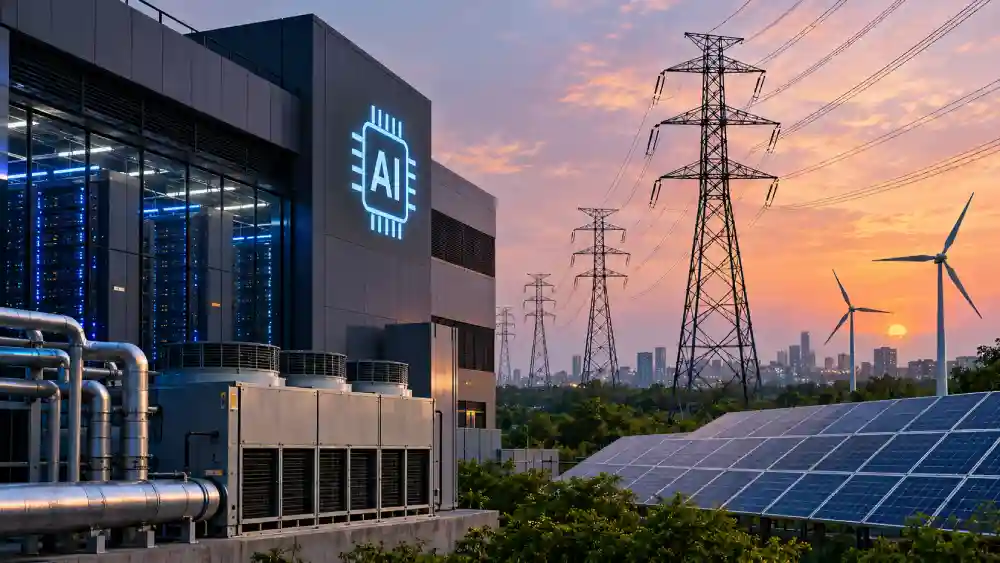

As India’s AI infrastructure continues to expand, it is facing a major challenge to find enough power without putting pressure on the country’s electricity grid…
It is no secret that India is bidding to become one of the major players in artificial intelligence. Billions are being invested in AI infrastructure, new data centres are being announced and the country is pushing to become one of the leading global AI hubs.
But India’s growing AI ambitions have raised a serious question: can the country support the electricity requirements of artificial intelligence?
AI needs more than powerful computers
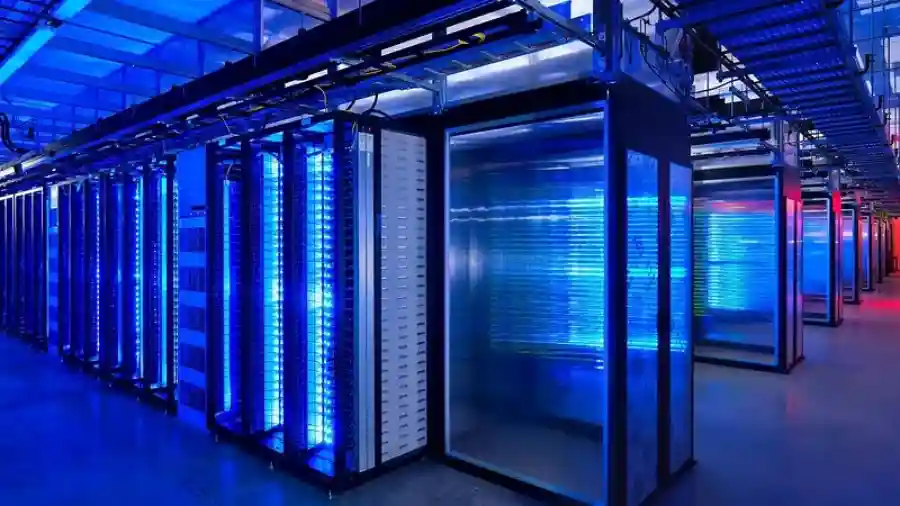
AI requires enormous computing power. Training and running AI models requires thousands of processors running simultaneously inside data centres.
These systems consume electricity around the clock. They also generate substantial heat, which means they require cooling systems to keep the hardware running safely.
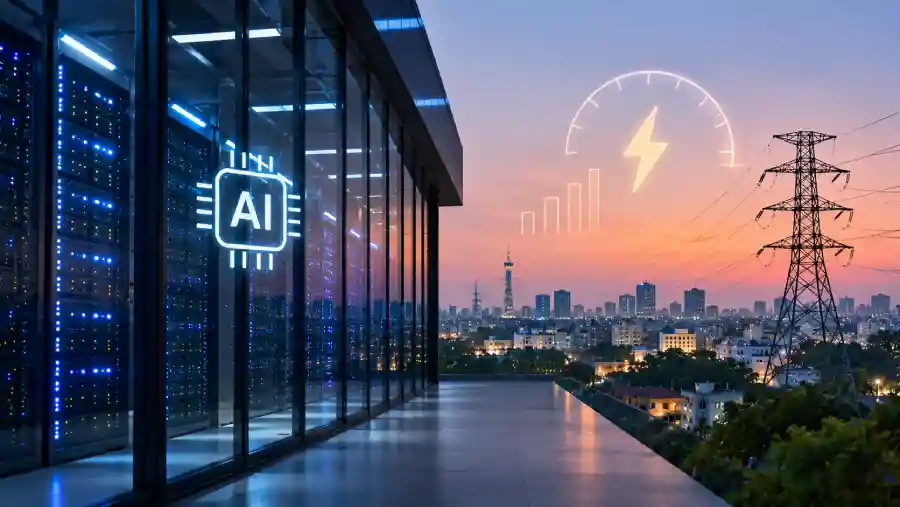
As AI systems become more powerful, their energy requirements continue to grow. According to an Indian Express report, India’s Power Ministry projected that AI data centres could add 26.3 gigawatts of electricity load by 2031–32. The report also claims that data-centre electricity consumption could increase twentyfold between 2025 and 2040.
This makes AI growth more than a technology challenge; it is becoming an energy challenge.
India’s electricity grid faces a new test
India is already struggling to generate enough power to support its growing population, industries, transportation network and air-conditioning. AI infrastructure has added more burden to that.
Unlike homes and offices that have predictable patterns of electricity consumption, AI data centres can experience sharp surges of power consumption depending on their computing workload. This creates a need for electricity grids that can continuously balance supply and demand.
This is a major challenge in metropolitan cities as data centres tend to cluster around major technology and business hubs. This includes Mumbai, Chennai, Hyderabad and Bengaluru.
Even if India generates enough power nationally, individual regions might struggle to support the requirements of their AI centres.
The hidden cost of keeping AI cool
Electricity is not the only concern here. Data centres also require cooling systems and some of these systems consume a huge amount of water.
This is another major concern in a country like India where several regions already suffer water shortages every year. Locals in Mumbai are opposing the development of an Amazon data centre. Electricity consumption, water availability and the environmental effects of large infrastructure projects are concerns that have been raised.
Amazon has defended the project, claiming that it would use dedicated power and water sources rather than burden public utilities.
Can renewable energy solve the problem?
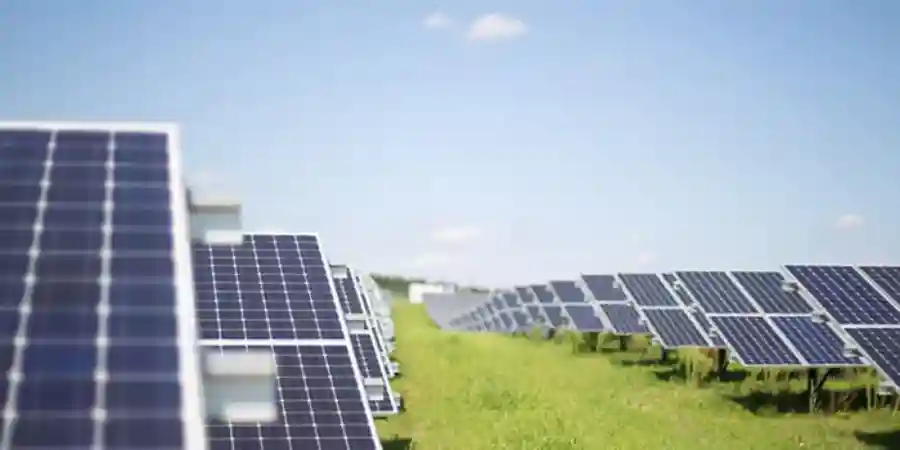
To reduce dependency on fossil fuels, India could turn to solar and wind energy to support its data centre requirements. The only caveat here is that these data centres require consistent amounts of energy during the day and night, when solar or wind energy might be running low.
This means that renewable energy needs to be supported by storage, flexible generation and stronger electricity networks.
India is already considering changing how data centres get approved. A NITI Aayog proposal mentions that it would require developers to show how local electricity grids and water supplies can support their projects. The framework also suggests that necessary infrastructure upgrades need to be completed before approving additional electricity demand.
This would ensure that AI expansion does not affect existing consumers.
The Last Word
India’s AI ambitions are not in stark contrast with its energy goals. Expanding data centres can also encourage substantial investment in renewable electricity, efficient cooling and modern power networks.
All this while, discussions about AI have centred around algorithms, computing chips and software innovation. But now, electricity generation, water availability and grid capacity have become equally important.
India’s next big AI challenge is not just building smarter models. It is to build the infrastructure needed to keep them running.
In case you missed:
- The AI Gold Rush Is Turning India Into a Data Centre Powerhouse
- The Hidden AI Boom Transforming India’s Tech Economy
- From Smartphones to AI Hardware: India’s Next Manufacturing Bet
- India’s Next AI Advantage Lies Beneath the Ocean
- How the US-China Tech Rivalry is Affecting India’s Future
- Maharashtra’s AI Push Could Become the Blueprint for India’s Next Tech Revolution
- India Is Exporting UPI Faster Than Ever. The World Is Buying In
- India’s 3-Hour Rule Signals a New Era for Social Media Platforms
- AI Can Write Code. What Happens to India’s Millions of Software Engineers?
- Elon Musk wants to ensure your phone never loses signal in India