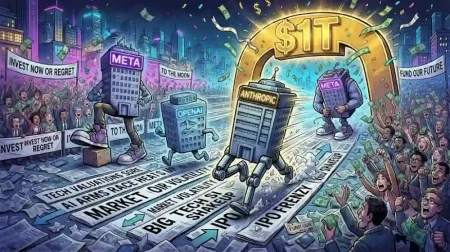





Muse and Muse Glimmer hint at a future where everyone can harness powerful AI tools for everyday work.
Mark Zuckerberg wants everyone to have a powerful artificial intelligence-powered assistant in the not-too-distant future. His vision is to create something that can help people with work, learning, finances, relationships and everyday tasks. Instead of people asking questions to a chatbot as they do today, he imagines a powerful agent that understands people, their goals, preferences and everyday life. He elaborated on this idea in a recent manifesto about making advanced AI widely available.
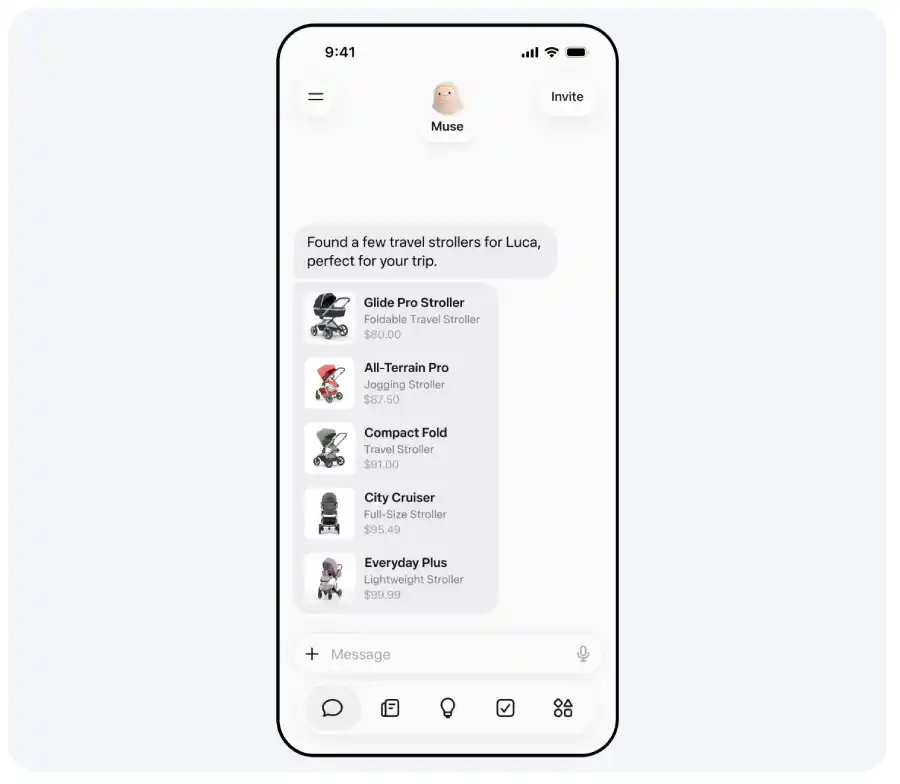
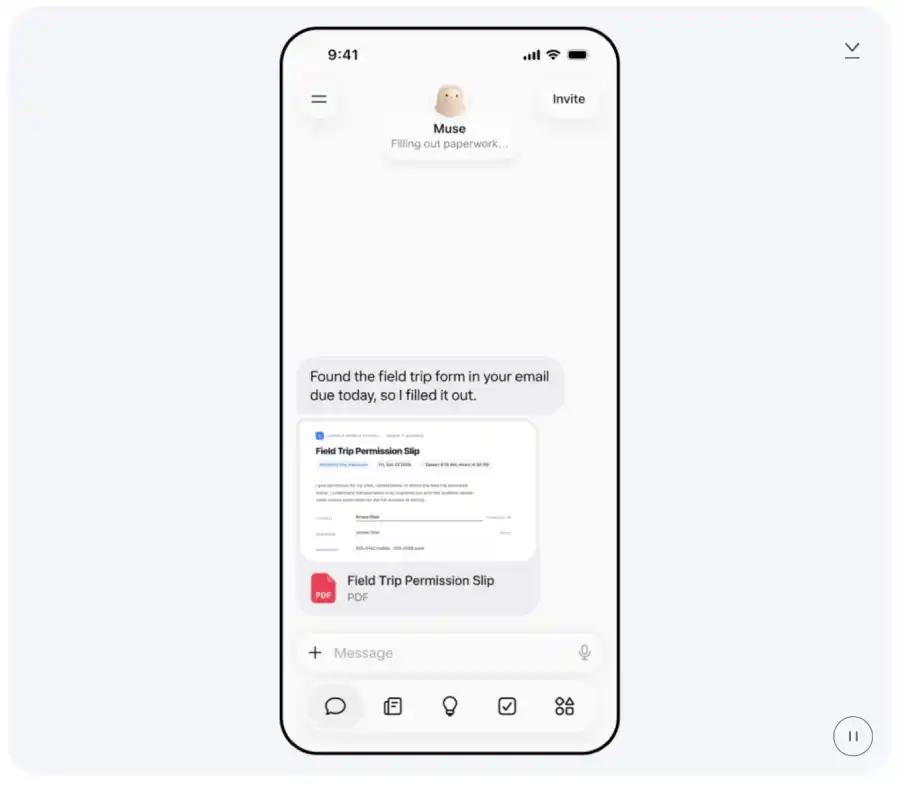
The idea is set to become a reality soon. In early September 2026, Meta launched Muse, a personal AI agent that can manage schedules, send emails, fill out forms and work on longer-term goals. It is currently available to adults based in the USA.

Putting powerful AI on personal computers
One of the main motives is to move from powerful data centres to personal computers.
The August launch of Muse Glimmer is part of this plan. Muse Glimmer is a 30-billion-parameter open-weight model designed to run on a Mac or PC with a single consumer GPU. The model is capable of coding, calling software tools and running local AI agents.
There are several benefits to running locally. This means it can operate without the internet and without sharing sensitive user information. It also takes the load off data centres. Meta has announced that this is only the beginning and several more launches are in the pipeline.
Why Meta wants to stay open
While most AI companies want to keep their most capable models closed, Meta is leaning towards an open-first strategy.
Open-weight models give developers access to adapt the model, run it on their own systems and build products without depending completely on one AI provider.
Zuckerberg believes that powerful AI should not be concentrated within a few tech companies. He says governments, startups and individuals should be able to access models they control. He also believes that open systems will lead to more scrutiny so people can find weaknesses and tighten security.
More access also means more risk
The easier an AI system becomes to modify, the greater the risk of misuse.
Several critics believe that Meta’s idea of giving open access to advanced agents can lead to AI systems being misused or behaving in unexpected ways. AI-safety researchers have pushed back stating that increasingly capable systems need stronger controls.
Meta acknowledged these concerns saying that more powerful AI could create new safety concerns that require stronger safeguards. Furthermore, Zuckerberg has announced that which models will be released as open software depends on their capabilities.
The Last Word
Meta’s vision definitely sounds useful and convenient. By releasing Muse and Muse Glimmer, it has shown us a glimpse of two things future AI can help with: automating everyday tasks and enabling developers to build powerful AI tools.
The question, however, is whether Meta will be able to realise this dream of making AI more widely accessible while also ensuring safety. Because in that case, the future will not just be defined by how powerful AI models can become but also who will control them!
In case you missed:
- OpenAI says AI could Soon Launch Cyberattacks on its Own
- AI Glasses are Here. So Is the Privacy Problem
- AI Isn’t Taking Your Job, the Story Around It Is
- Meta, YouTube declared Liable for Social Media Addiction
- From Curiosity to Utility: Inside 1.5 million ChatGPT Conversations
- Selling Yourself to AI: The Hidden Cost of Intelligence
- India May Be Entering Its “Applied AI” Era
- AI Was Supposed to Save Us Time. Why Are We Just Working More?
- Why You Should Never Reuse Passwords
- iPhone 18 might use Satellites for Connectivity!