





India’s homegrown payment system is spreading across the world as more and more countries are beginning to adopt UPI…
For all its flaws, India seems to be doing something right!
Our very own Unified Payments Interface (UPI) has gone from being a local success story to being adopted and accepted by countries around the world. Singapore, France, UAE, Nepal, Qatar and several other countries had already accepted UPI as a form of payment in recent months. And now Greece have become the 10th country to accept UPI payments. They will allow India tourists to make payments with QR codes instead of carrying cash or depending on international payment cards.
In other news, Indonesia also announced that they have been studying India’s Digital Public Infrastructure (DPI) framework- not just UPI payments but also our digital identity and public digital platforms – in a bid to modernise their own digital economy.
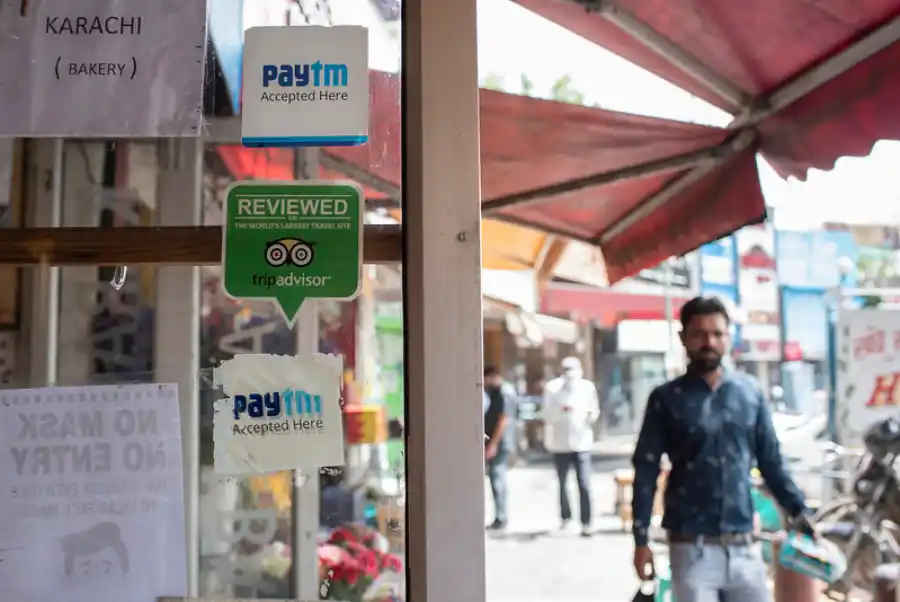
UPI is becoming India’s biggest Digital Public Infrastructure export
It’s not just about UPI payments anymore. Of late, India has been increasingly promoting its Digital Public Infrastructure (DPI) – the combination of UPI, Aadhaar-inspired digital identity systems and secure data-sharing frameworks that is powering lakhs of digital transactions everyday.
According to the Ministry of Electronics & IT, India has now signed Digital Public Infrastructure cooperation agreements with 23 countries. These countries are following India’s technology stack to improve their own financial inclusion and digital governance.
Traditional payment networks are usually not very appealing as they are owned by private companies. But UPI on the other hand is built on open infrastructure that allows banks, fintech firms and governments to integrate with easily. This is why it is appealing for developing economies as they can digitise payments without having to build from scratch.
Long story short, India is currently exporting technology infrastructure and not just software products.

Why this matters for travellers, businesses and remittances
International UPI is not just a matter of pride for our country; it has a host of benefits!
For Indian tourists travelling to these countries, they can make payments with their phones without having to worry about carrying cash or converting to the local currency. Businesses also find it easier to trade with Indian customers without having to build or adopt elaborate payment systems. And for merchants, settlements have become faster.
Earlier this month, NPCI partnered with HSBC India and J.P. Morgan Payments to introduce real-time foreign exchange settlement for international UPI transactions. The aim of this partnership is toto reduce settlement delays, improve exchange-rate transparency and make overseas payments faster and cheaper.
Can UPI challenge Visa, Mastercard and SWIFT?
Well, currently the answer is no but in the long term, that could change.
Card payments are currently dominated by VISA and Mastercard while international banking is centred around SWIFT. But UPI brings in low-cost, real-time account-to-account payments built on open infrastructure.
As more and more countries open their doors to UPI, cross border transactions wont have to depend on expensive intermediary networks anymore. NPCI CEO Dilip Asbe joined SWIFT’s Global Supervisory Board and this is a clear statement of intent as far as India’s increasing role in shaping the future of international payments is concerned.
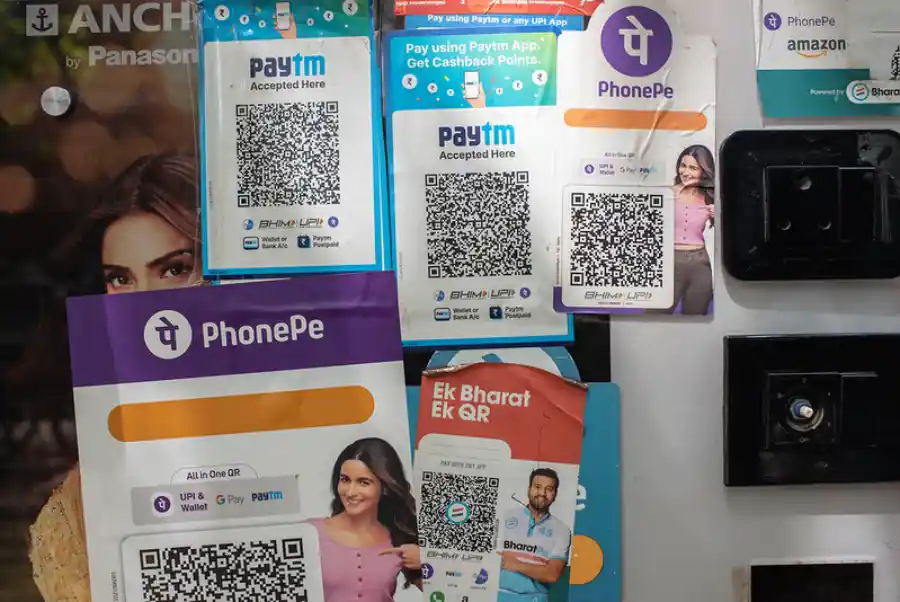
The Last Word
UPI started out as a smarter, simpler mode of payment within India. But as it begins to spread across countries, it is slowly transforming into what the future of global digital finance could be.
For the longest time, this mode of payment was limited to India as the world looked on. But in the not-so-distant future, you wouldn’t be surprised if it becomes everyone’s preferred mode of payment. Time will tell.
In case you missed:
- India’s Next AI Advantage Lies Beneath the Ocean
- The Hidden AI Boom Transforming India’s Tech Economy
- How the US-China Tech Rivalry is Affecting India’s Future
- The AI Gold Rush Is Turning India Into a Data Centre Powerhouse
- From Smartphones to AI Hardware: India’s Next Manufacturing Bet
- India’s Tech Renaissance: From Follower to Global Trendsetter
- Maharashtra’s AI Push Could Become the Blueprint for India’s Next Tech Revolution
- India’s 3-Hour Rule Signals a New Era for Social Media Platforms
- How Operation Sindoor Defined a New Era of Technology in Defence
- Why Indian Startups Are Building “Vertical AI” Instead of the next ChatGPT