


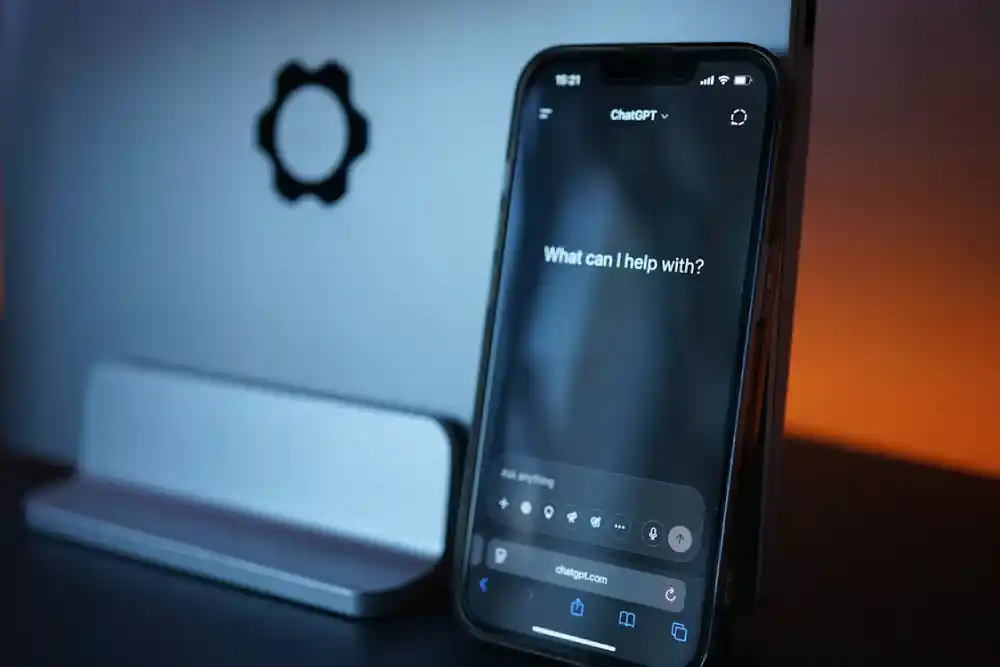

When you open Twitter (X) today, almost every tweet has this comment somewhere in the thread: “@Grok, is this true?”
Now, if the tweet spoke about factual data, like petrol prices going up, then it even makes sense. However, when you see people asking tagging Grok, the SpaceXAI-developed GenAI (generative artificial intelligence) chatbot by Elon Musk, and asking it to fact-check a tweet that claimed that aliens had landed atop the Burj Khalifa or the Empire State Building, you know we’re doomed as a civilisation.
While the convenience of using an app to make a decision for you or asking a chatbot for career advice seems efficient on the surface, there lies a hidden danger underneath: when we stop exercising our own critical thinking. Are we slowly letting machines do our thinking for us and risking weakening our minds?

The Slow Erosion Of Discernment
It’s no secret that the tools we employ could end up changing the way we think. For instance, when the internet came about, we could simply plug in queries into search boxes for tasks that once required deep research. According to research, humans began to remember less details as the use of search engines skyrocketed, a phenomenon now labelled as “the Google effect.”
Of course, there are proponents of the theory that the internet is essentially an external memory system that allows our brains to be free to be able to perform other tasks.
However, researchers are sounding alarm bells about the effects of offloading even more of our thinking to different forms of AI, including LLMs, on our memories, reasoning that our abilities to solve problems could worsen. After all, we’re using AI for everything from asking for companionship and financial advice to writing convincing poetry.

The Dangers Of Cognitive Outsourcing
When MIT Media Lab research scientist Nataliya Kosmyna and her colleagues ran a study to see how dependence on these tools affected mental effort, the results were startling (please note: they’re still undergoing peer review). They split 54 students into 3 groups and instructed them to write short essays, with one group told not to use technology, a second group told to use Google search without the AI-generated summary, and the third instructed to use ChatGPT.
Then, they monitored and measured the brainwaves of every student as they worked on open-minded essay topics, which meant that they needed little research for the task. Moreover, prompts included questions around our daily life choices, happiness, and loyalty, and the results were eye-opening.
Firstly, the people who used their own heads showed extensive activity throughout multiple areas of their brains. And while the group that used search engines also showed strong, albeit lesser cognitive activity in than the first group, it was the ChatGPT group’s brain activity – or lack thereof – that was alarming: it was less by a whopping 55%. If that wasn’t enough, the study showed that ChatGPT also had an effect on their memories, with people in the group being unable to quote from their own essays after having submitted them, and many others feeling they had no ownership over their essays.
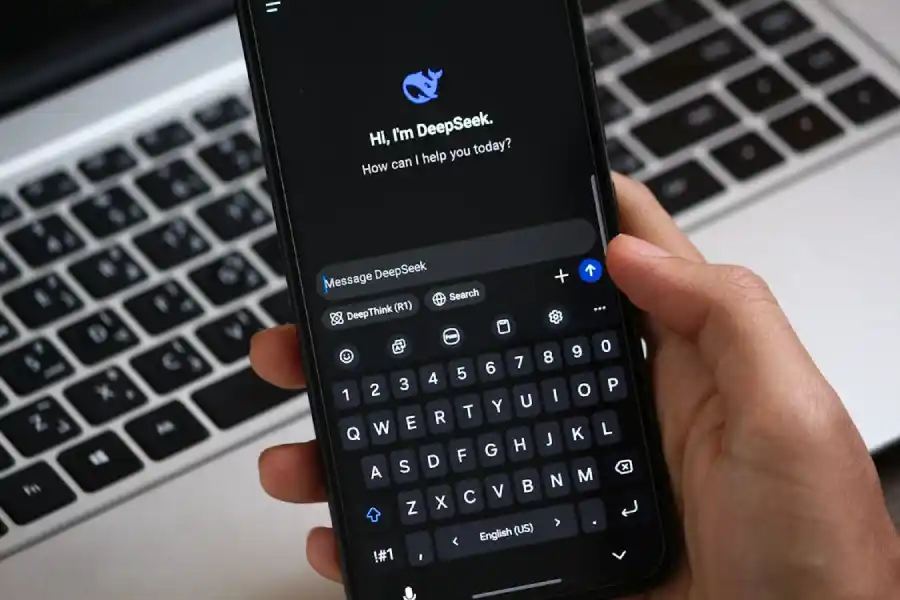
These effects aren’t limited only to the world of AI chatbots, and it becomes especially risky when there’s human health involved. For instance, a 2025 multi-national study showed results that medical professionals using AI tools for screening for colon cancer for 3 months were actually the worst at seeing the tumours without them subsequently.
According to researchers like Kosmyna, their concern stems from the fact that studies have already shown the risks of becoming too reliant on AI. Going further, it could even affect our innate abilities to perform basic cognitive tasks. Currently, there’s a growing body of research suggesting that this cognitive outsourcing to AI could have corrosive effects on our mental abilities, with alarming consequences that could lead to eventual cognitive decline.
The rise in “Groking,” as the trend is now being called, is one step towards this future.

Can We Think For Ourselves?
This ubiquitous invoking of Grok is now crossing the line of ludicrous. The kind of inane truth delivering that Grok is now called on to perform is so far-fetched that it’s rather alarming that some human wants the tweet fact-checked. It would have seemed funny, but we’re beginning to see glimpses of what could deteriorate into a slack-jawed dystopian future.
There will be two types of AI users in the future: those who genuinely employ it as a tool and those who simply “use” it for the heck of it – and we’re already seeing this scenario. While the former knows the limits of AI and, more importantly, where it could go wrong, it’s the latter group that’s actually growing in number.
Relying on AI to think on our behalf could very well mutate into a lifestyle disease in the future, and in the end, we need to remember that AI was designed to assist human wisdom, not replace it.
In case you missed:
- Google AI Is Quoting YouTube Videos For Health And Medical Queries. Should We Be Worried?
- From Ranking to Relevance: The Rise Of Generative Engine Optimisation
- The Intelligence Swarm: How Bees Are Helping AI Become Smarter
- Are You Using AI To Generate Passwords? It’s A Terrible Idea
- The Trust Deficit in AI – What You Need To Know
- The Rise Of Agentic Cloud – Reshaping Cloud Infrastructure In 2026
- Governing AI Agents In The Agentic Era: Are We Truly Ready?
- All About India’s Indigenous AI LLM Models – Can They Help Tackle Bias?
- Agentic Commerce: A New Era Of AI-Assisted Retail
- Agentic AI Is Now A Fund Manager, Believe It Or Not