



Starlink has proposed using satellite connectivity for phones in India to ensure connectivity isn’t lost even in remote regions…
For all its network connectivity, remote regions of India still struggle with loss of signal. Mountainous regions, remote villages, border areas and islands often don’t have good reception. This is understandable as these areas are difficult to cover with mobile towers and fibres.
But at long last, the problem could have a solution: by connecting mobile phones directly to satellites.
In August 2026, Elon Musk’s Starlink reapplied to Indian space regulator IN-SPACe for approval of its second-generation satellite network. The proposal includes direct-to-device (D2D) connectivity. This would let regular mobile phones connect with satellites in areas where terrestrial networks are unavailable.

Your regular phone could connect to space
Traditionally, satellite phones require dedicated hardware. But D2D technology is different as it is designed to let satellites communicate directly with regular mobile devices.
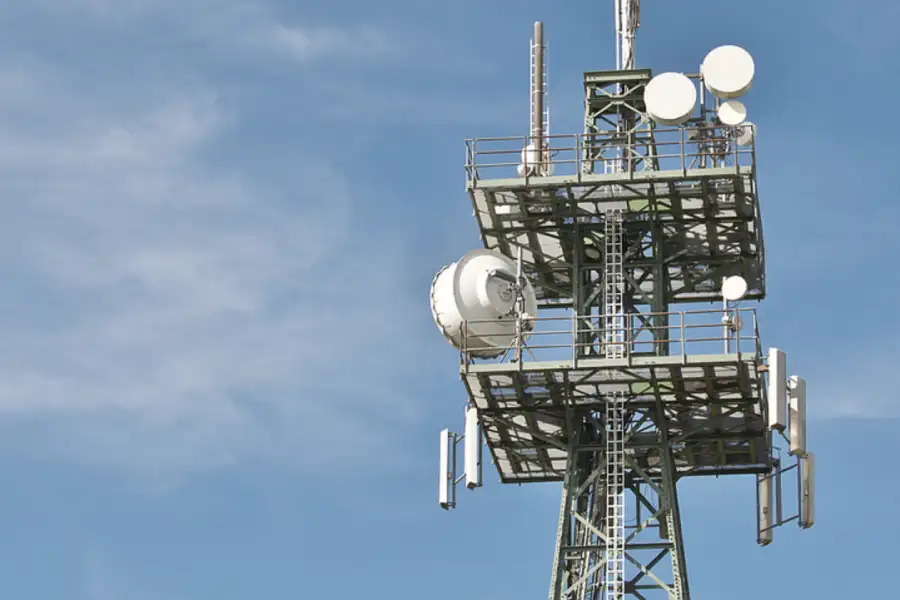
In simpler words, it’s like having a mobile tower in space. If your phone is unable to find a terrestrial tower, a satellite passing overhead can double up as a mobile tower.
India has been exploring if this technology could work for some time now. Earlier this year, the Department of Telecommunications brought together regulators, telecom companies and satellite companies to discuss D2D technology in the Indian market. The government believes that D2D could help close connectivity gaps in geographically difficult areas and also improve communications during disasters.
The technology will not replace mobile networks altogether; it will only support it. In densely populated areas, towers will continue to help with connectivity. It is only in sparsely populated areas and unreachable terrain where the satellites will support.

Why this matters for India
Because of the scale and the geography of the country, the government has identified remote, coastal, border and mountainous regions as areas where satellite communications can help. This is mainly because terrestrial infrastructure such as fibre and microwave networks can be difficult to deploy.
This solution goes beyond having uninterrupted connectivity while travelling. Satellite connections will be a big help in maintaining basic communication during floods, cyclones, earthquakes and other emergencies that damage mobile infrastructure. It will also extend connectivity to people who live or work far from existing networks.
Additionally, India is also working on developing its own capabilities. The Department of Space reported that work is currently underway on indigenous D2D and non-terrestrial network technologies using 5G and 6G standards.

India is now putting the rules in place
Technology is only one part of this equation. India also needs rules for how satellite networks can use spectrum and provide services.
TRAI has already begun a consultation on a framework for satellite communication networks and the spectrum they can use. The consultation included questions around D2D satellite services and how they should work alongside existing mobile networks.
The regulatory process has since moved forward. Earlier this month, India’s Digital Communications Commission approved the pricing and conditions for allocating satellite spectrum. This decision means that companies like Starlink, Eutelsat OneWeb and Jio Satellite are moving closer to receiving the spectrum they need to offer satellite communication services in India. But there’s still more work to be done. More government approvals and security clearances are required before commercial services can begin.
Starlink’s D2D proposal is also still pending approval. Its earlier Gen 2 application was rejected because certain sections of the proposed system and spectrum use did not meet Indian requirements. The revised application is another attempt to secure approval for the updated network.
The Last Word
Satellite connectivity will not solve all connectivity issues. It does not guarantee perfect mobile coverage everywhere. Capacity, device compatibility, spectrum rules and agreements with telecom operators are all factors that will affect how D2D services work in practice.
But this is a step towards solving the problem. If all goes to plan, India’s telecom network will follow a two-pronged approach: towers and fibre handling most connectivity on the ground and satellites filling the gaps they cannot reach.
In the near future, your phone may lose the nearest mobile tower but it may never lose signal again!
In case you missed:
- iPhone 18 might use Satellites for Connectivity!
- India’s Tech Renaissance: From Follower to Global Trendsetter
- India’s Next AI Advantage Lies Beneath the Ocean
- No More Budget Phones: India is Buying Premium Phones Now
- How the Indian Army is Using 3D Printing to Build at the Border
- How Operation Sindoor Defined a New Era of Technology in Defence
- From Smartphones to AI Hardware: India’s Next Manufacturing Bet
- India Is Exporting UPI Faster Than Ever. The World Is Buying In
- The Hidden AI Boom Transforming India’s Tech Economy
- The AI Gold Rush Is Turning India Into a Data Centre Powerhouse