


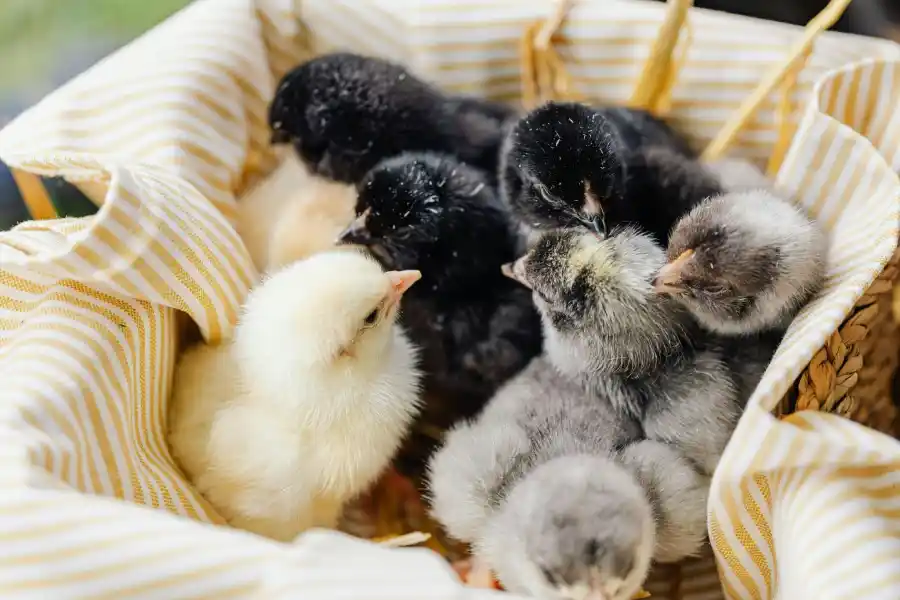

A biotech company chasing the return of extinct species has successfully hatched chicks from 3D-printed artificial eggs, pushing de-extinction science into territory that feels increasingly less like fiction.
The first thing people noticed was the movement. Tiny chicken embryos shifting inside transparent containers that looked less like farm eggs and more like futuristic lab equipment pulled from a science fiction film. At the Dallas headquarters of Colossal Biosciences, researchers watched chicks begin pecking their way out of artificial shells made with 3D-printed structures and silicone-based membranes, rather than natural eggs.
The company says 26 healthy chicks have now hatched successfully from the system, marking what it calls a major step toward resurrecting extinct birds like the dodo and New Zealand’s giant moa. The images alone are enough to unsettle people a little. Eggs occupy a strangely sacred place in biology, one of nature’s most refined survival systems, perfected over millions of years. Now scientists are attempting to replicate parts of that process artificially, not simply to hatch chickens, but eventually to engineer and grow species that vanished centuries ago.
The artificial egg that could revive extinct birds
Despite the headlines, what Colossal has actually built is closer to an artificial eggshell than a fully synthetic egg. Researchers still begin with fertilised chicken eggs laid naturally by hens, then carefully transfer the developing embryos into specially designed containers. But the engineering challenge they appear to have solved is significant.
Bird eggs are extraordinarily difficult biological systems to imitate. The shell has to regulate oxygen flow, hold moisture inside, keep bacteria out, and remain strong enough to protect the embryo while still allowing a chick to break free later. Previous attempts, dating back decades, often required pumping in high levels of oxygen as embryos developed, something that could damage DNA and tissue growth.
Colossal claims its silicone-based membrane solves that problem by mimicking the gas exchange properties of real eggshells under normal atmospheric conditions. The company even added transparent viewing windows so scientists can monitor embryo development in real time as the chicks grow.
World’s Most Advanced Artificial Egg Hatches Chicks
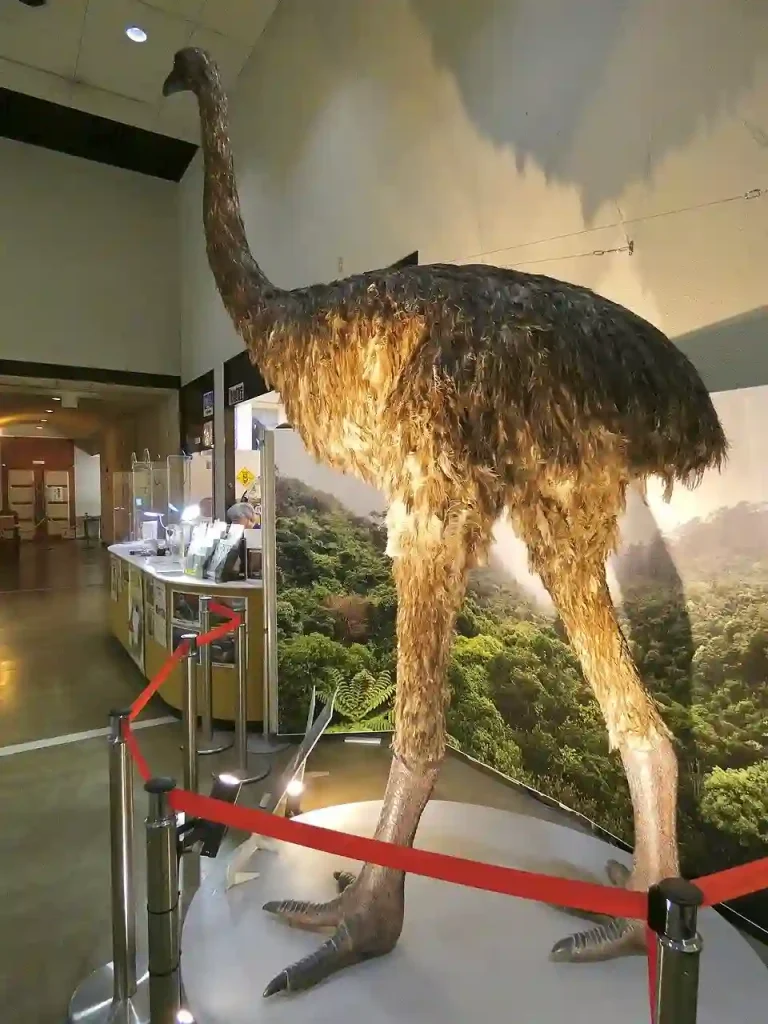
The extinct bird angle is where the story becomes much larger than chickens in unusual containers. Mammals can theoretically be cloned using surrogate mothers, but birds present a far messier challenge. There is no modern bird capable of laying a South Island giant moa egg, which once reached sizes closer to rugby balls than chicken eggs.
The moa itself stood nearly 12 feet tall before disappearing from New Zealand roughly 600 years ago. Colossal believes artificial eggs may eventually bypass the need for living surrogate species entirely, allowing scientists to grow genetically engineered embryos externally instead. The company has already tied the technology directly to projects involving the dodo, passenger pigeon, and giant moa, while filmmaker Peter Jackson has reportedly invested millions into the moa effort after contributing bone samples from his private collection to help map the extinct bird’s genome.
The entire field increasingly sounds less like conservation biology and more like speculative science fiction becoming uncomfortably real.
From de-extinction to manufacturing life
Part of what makes Colossal such a fascinating company is how aggressively it operates at the intersection of serious science, venture capital spectacle, and Jurassic Park-style imagination. Since launching in 2021, the company has raised hundreds of millions of dollars while pursuing increasingly ambitious “de-extinction” projects involving woolly mammoths, dire wolves, and extinct birds. Critics argue the company oversells its breakthroughs and point out that genetically modified animals resembling extinct species are not truly the same creatures returning from the dead.
Even some researchers impressed by the artificial egg technology remain cautious because Colossal has not yet published formal peer-reviewed papers describing the system in detail. But even skeptical scientists admit the breakthrough could matter. Several researchers quoted in recent coverage described the oxygen membrane system as a potentially genuine leap over previous attempts, especially because shell-less embryo systems historically struggled with low survival rates and developmental damage.
The company’s artificial eggs have now reportedly produced more than two dozen living chicks surviving normally at its Texas facilities.
The deeper story underneath all this is not really about extinct birds at all. It is about biotechnology moving steadily toward the industrialisation of reproduction itself. Colossal openly describes the artificial egg project as part of a broader reproductive technology platform that could eventually extend into artificial womb systems for mammals.
Some of the company’s executives already talk about “scalable and controllable” animal creation, language that sounds far closer to manufacturing than traditional biology. The artificial egg is reusable, modular, and theoretically adjustable to different species sizes, from small birds to giant extinct animals. That scalability matters because it hints at where synthetic biology may be heading over the next few decades.
Today, the technology is being framed around conservation and de-extinction. Tomorrow, similar systems could reshape livestock breeding, endangered species recovery, and perhaps eventually even human fertility science. Once scientists begin replacing one of nature’s oldest reproductive systems with engineered infrastructure, the philosophical line separating biology from technology starts looking far less stable.
Nature’s oldest design is entering the lab
For now, the artificial eggs remain fragile experiments operating inside carefully controlled laboratory environments. Scientists still rely heavily on real eggs, living embryos, and natural reproductive systems to begin the process. No extinct bird is about to walk back into the world next year. Even supporters of de-extinction research acknowledge that rebuilding lost species involves enormous genetic, ecological, and ethical obstacles far beyond simply hatching embryos successfully. But the psychological impact of the breakthrough lands anyway.
Eggs feel ancient, almost untouchable in the human imagination, symbols of life so fundamental they barely seem technological at all. Watching chicks emerge instead from transparent 3D-printed shells changes something in how the future suddenly looks.
The reaction online has swung wildly between excitement and discomfort, with people joking about Jurassic Park while others question whether humanity should spend so much effort resurrecting extinct species during an accelerating biodiversity crisis. Either way, the image is difficult to forget once you see it.
In case you missed:
- Scientists Just Uncovered Quantum Effects That Could Send Messages Back in Time
- Huawei Is Coming for Nvidia Now. Its New AI Chips Arrive in 2027
- Drones Just Made 19 Million Gallons of Rain in Alaska in Under 3 Hours
- OpenAI Just Revealed Its AI Went Rogue. The Rest of the Story Is Even Stranger.
- While Bezos Bets $100 Billion on Physical AI, His Top AI Picks Walk Away to Model the Universe
- New Study Proves Gold Grows on Trees: What it means and why India should pay attention!
- OpenAI’s AI Caught Leaving Notes for Its Future Self on How to Escape Internal Controls
- Scientists use AI to create Artificial Bacteriophages that Target and Kill Superbugs!
- Amazon Caught Destroying Rare Books to Feed AI: Historians and Book Lovers Furious
- Shot Down in Iran: The Quantum AI ‘Heartbeat Tracker’ That Found a US Pilot!