

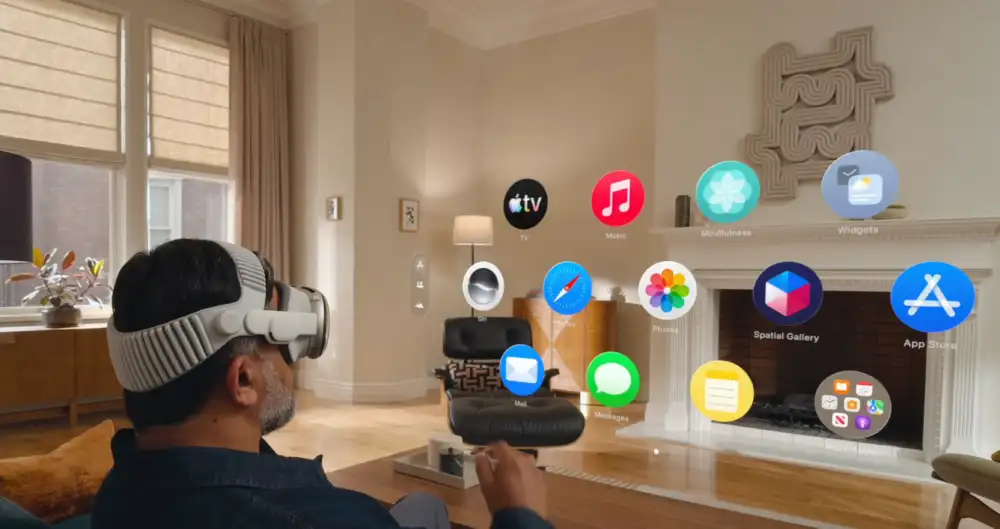

Advancement in VR-powered headsets means they could eventually replace physical monitors at the workplace…
Virtual Reality has always been associated with gaming and immersive entertainment. You can explore virtual cities, attend concerts and interact with others using virtual avatars. But all of that is about to change real soon.
Because VR’s most practical use may be to replace something very integral to our daily lives: our workplace monitor.
Latest headsets are being designed to replace the traditional laptop monitor. Now instead of using a laptop and two external monitors, people could carry their entire workspace inside their headset.
There’s still a long way to go but VR could soon change how we work every day.
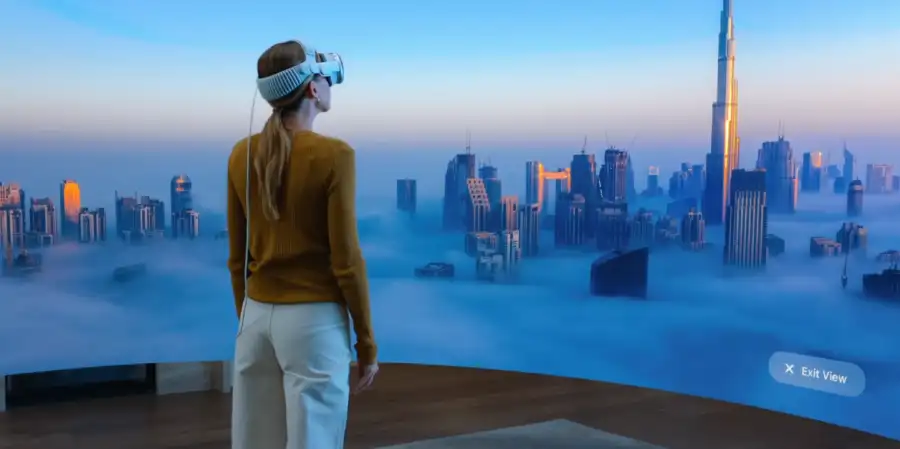
Your next office may not have physical monitors
Typically a workspace involves a laptop and one or more external screens. With VR, none of that is needed.
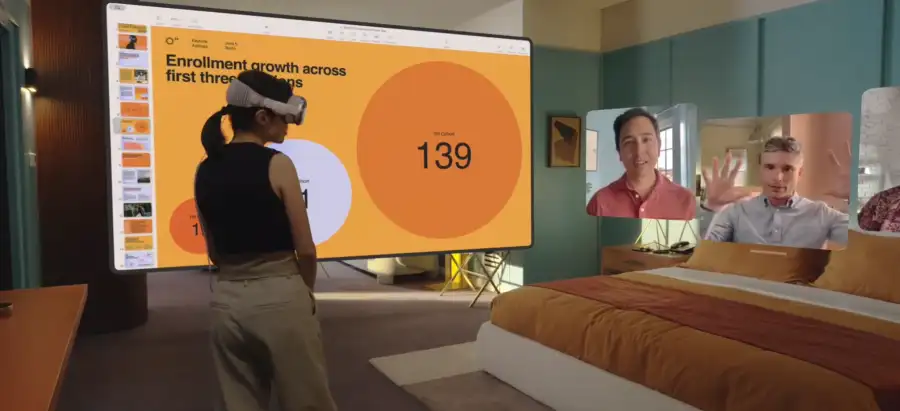
By using a headset, an employee can have one or more screens around them and rearrange the applications they frequently use in a way that suits them. For instance, someone could have a document in front of them, a spreadsheet on one side and an active video call on the other side.
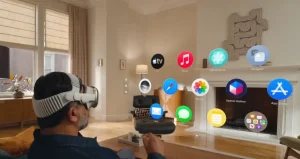
Apple’s Vision Pro already has this approach. Its Mac Virtual Display feature lets you create an ultrawide virtual screen which is the same as having two 5K monitors placed adjacent to each other.
In the same way, Meta’s Quest headsets let you connect to computers and display multiple virtual screens.
These features will eventually lead to workspaces that don’t require several physical displays.
Lighter devices could change the game
The main reason VR headsets aren’t already replacing physical monitors is the lack of comfort. Headsets traditionally are bulky, which makes them difficult to wear, especially throughout the day.
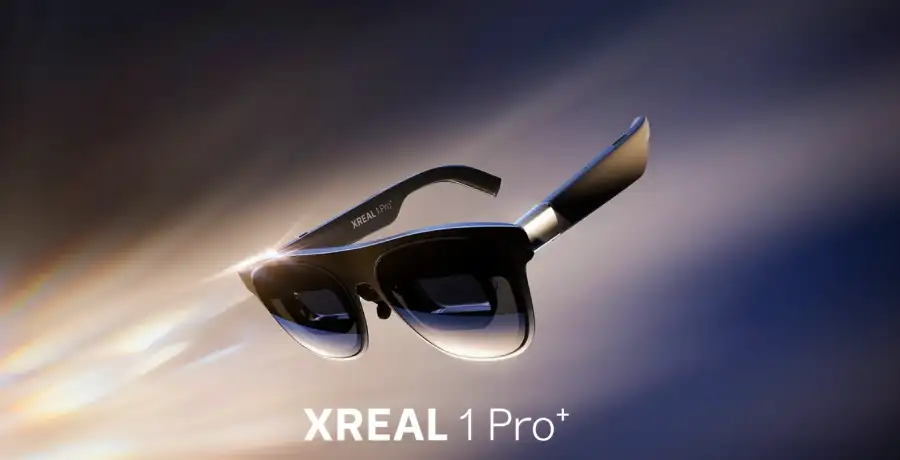
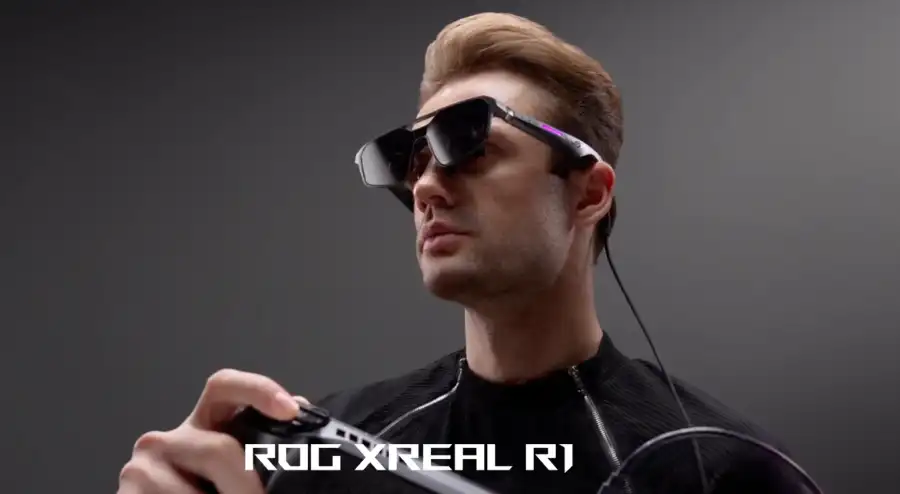
But companies are now working on designing headsets that are light and comfortable to wear. Companies like Xreal and Viture have made this their main focus.
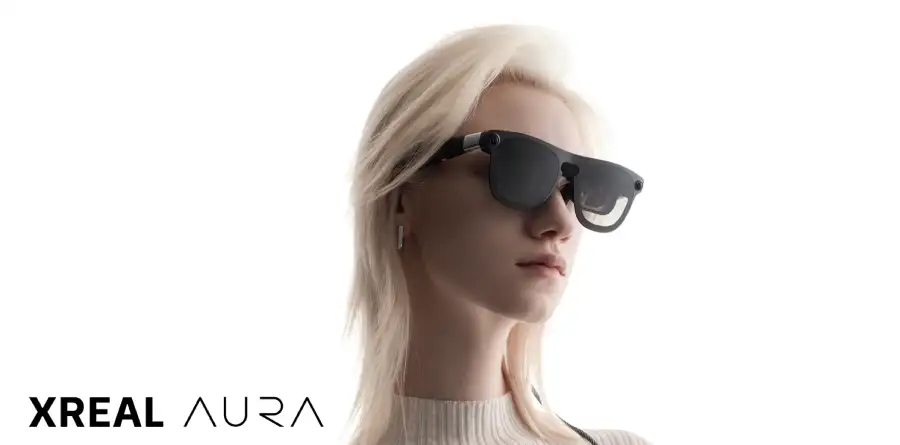
WIRED recently posted a review of the Xreal Aura, a pair of extended-reality glasses which weighs just 95 grams. The review claimed that it was comfortable and could run multiple applications at once.
The drawbacks are battery life, heat and multiple controls. While these are integral to comfortable usage, it’s just a matter of time before brands figure out how to design headsets without these drawbacks.
VR monitors would make remote work easier
The biggest advantage of VR headsets is portability. Remote workers and frequent travellers have to make do with a laptop screen every time they’re on the move. By using a VR headset, they will be able to work anywhere, whether they’re in a hotel room or on a train.
Another WIRED review showed how Xreal’s virtual displays could turn laptops into virtual displays. This would be particularly useful for developers, designers and others working professionally who frequently require multiple screens for their work.
Still a long way to go for VR
Despite the convenience, VR headsets are not better than physical monitors, yet.
Frontiers In Virtual Reality conducted a study comparing monitors, laptops and virtual workspaces. It found that while VR was better for certain tasks, a multi-monitor setup still gave the best overall experience.
Areas of improvement included text clarity, limited field of view and the need to move one’s head. Headsets are also very expensive and most of them also require cables, external computers or additional accessories.
These limitations put VR at a disadvantage currently. But the way companies are focused on improving the headsets, all of these could be resolved in the next few years.
The Last Word
All these years, marketers focused on showing VR technology as a space into other worlds while sitting in the comfort of your homes. But VR could prove most useful in creating an alternative workspace.
Of course, headsets need to become lighter, cheaper and more comfortable before this can be a reality but that day may not be too far away.
In case you missed:
- AI Isn’t Taking Your Job, the Story Around It Is
- AI Can Write Code. What Happens to India’s Millions of Software Engineers?
- AWS hit by two Outages caused by AI Tools
- India May Be Entering Its “Applied AI” Era
- ChatGPT vs Claude Code: How the AI race is shifting
- Meta wants everyone to have a powerful personal AI
- No More Budget Phones: India is Buying Premium Phones Now
- AI Glasses are Here. So Is the Privacy Problem
- The Hacker That Never Sleeps: AI Is Changing Cyberattacks
- Elon Musk wants to ensure your phone never loses signal in India